Tag: Project Based Learning

  • Unforgettable Endings to the Year

    Most schools are reaching the end of the year and have completed standardized testing. I see many teacher requests for movies to show in my Facebook feed. What if we ended the year with an open-ended project instead? It might be a culmination of your content themes for the year or it might just be tied to something authentic in the community. When students start getting antsy for summer, projects can motivate and finish the year strong. It’s a great time for students to demonstrate the SEL competencies that they have been developing all year. Here’s four examples from my classroom.

    World Simulation
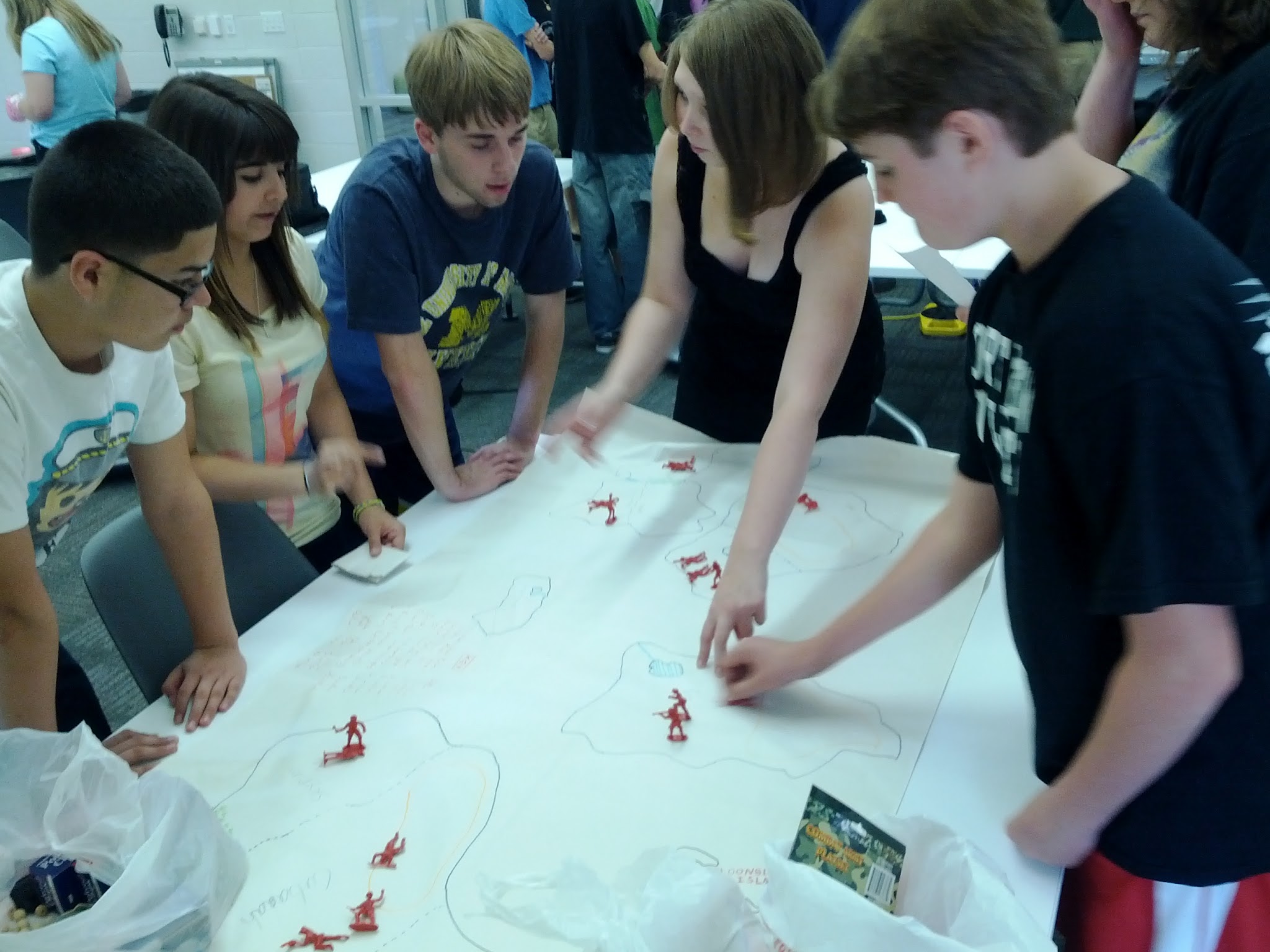
    At the conclusion of a freshman World History integrated with English class, we created a fictional world, putting students in different teams to tackle global issues. It was inspired by John Hunter’s Ted Talk (one of my all time favorites). The Driving Question was “How would you rule the world?” Each team was given a land mass to create their own country and laws. They had different natural resources and economic opportunities. Students loved it, and were able to apply the concepts of fairness, environmental stewardship, negotiation, and problem-solving.

    Hobby Day
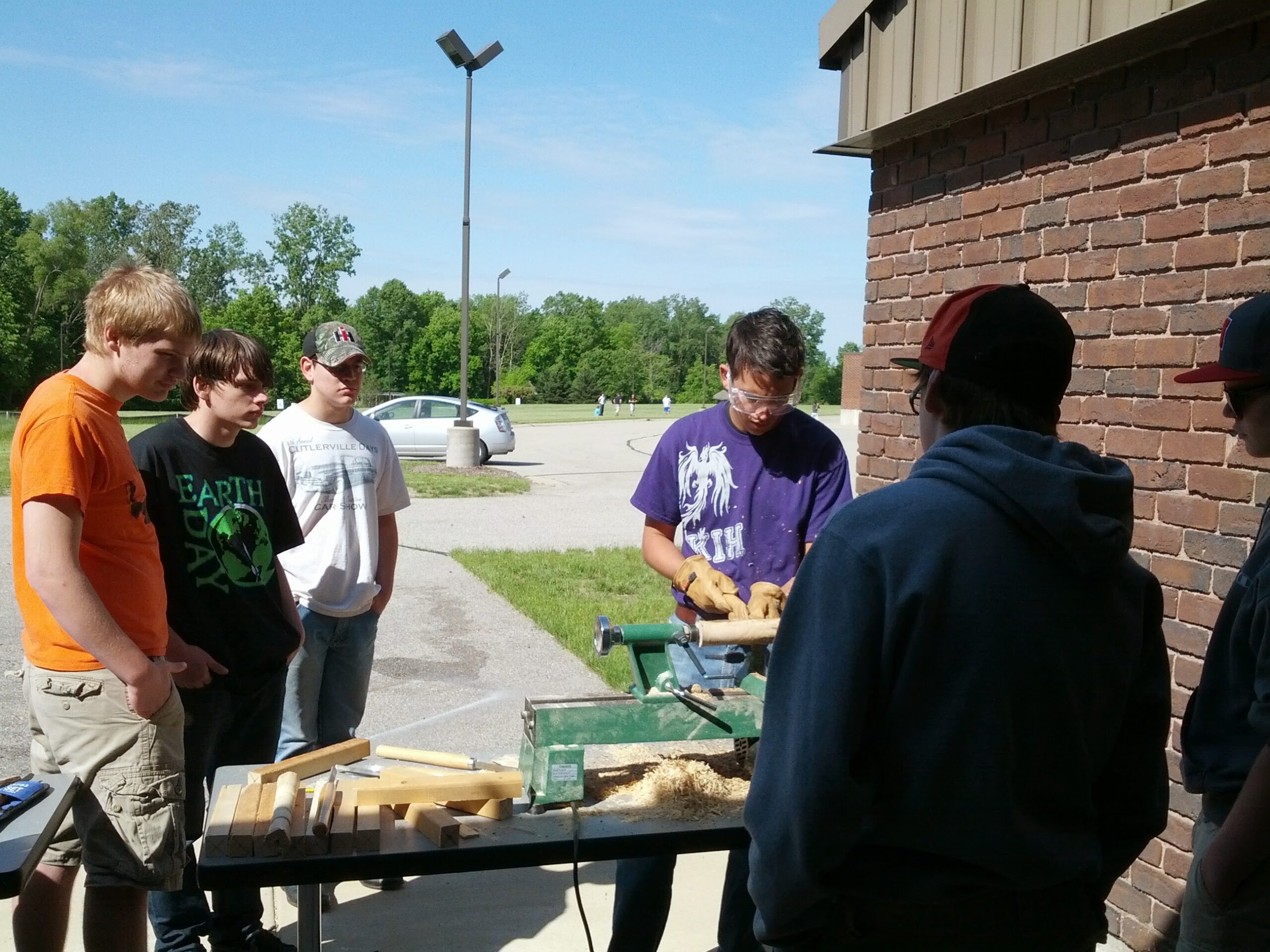
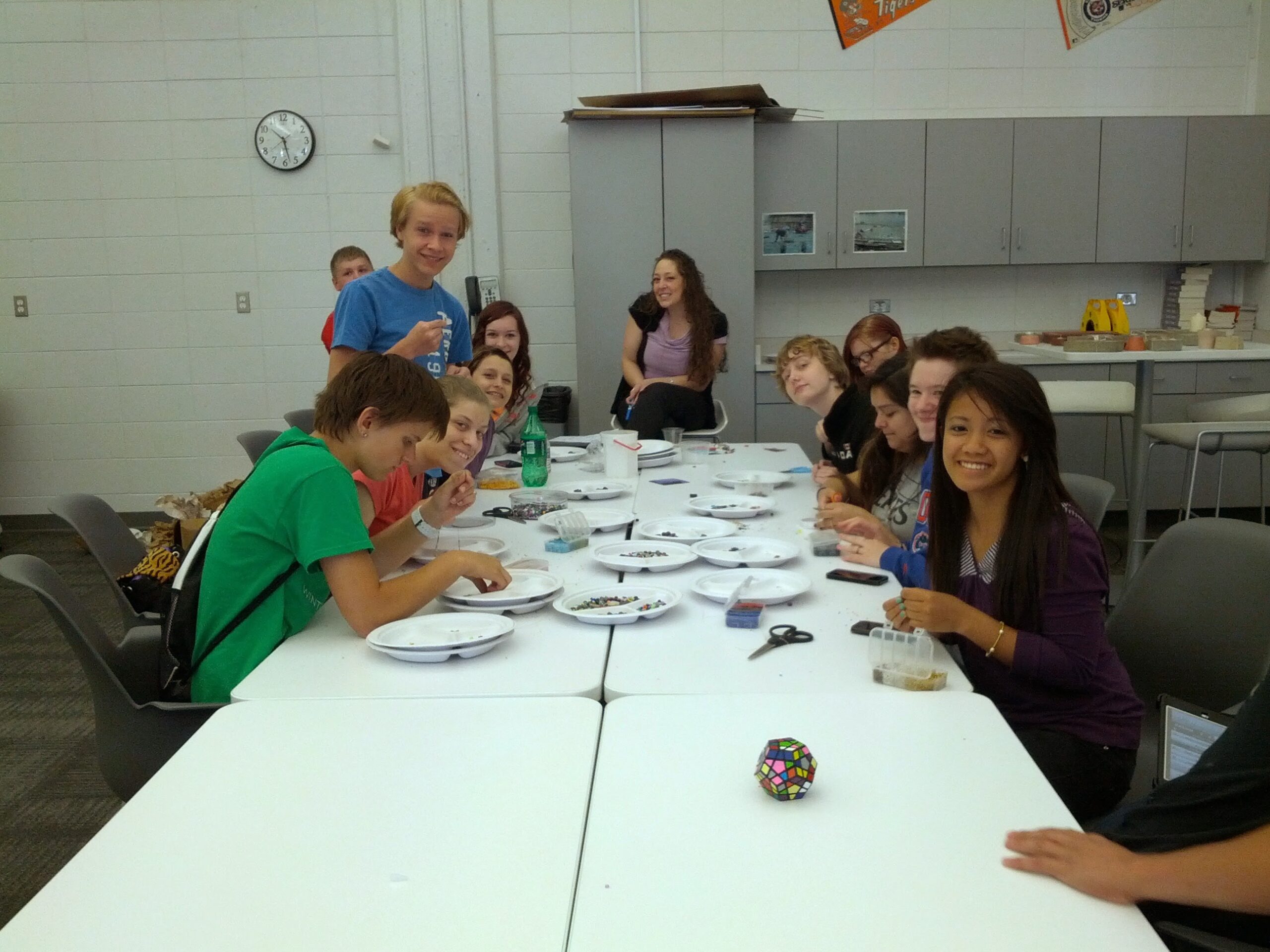
    At my PBL high school, we had a hobby day the last week of the year. All of the teachers would bring in tools and materials and lead a session on something that they are passionate about. Students could then choose which ones they were interested in. Options included things such as making root beer, jewelry, woodturning, scrapbooking, and outdoor hikes in the woods.
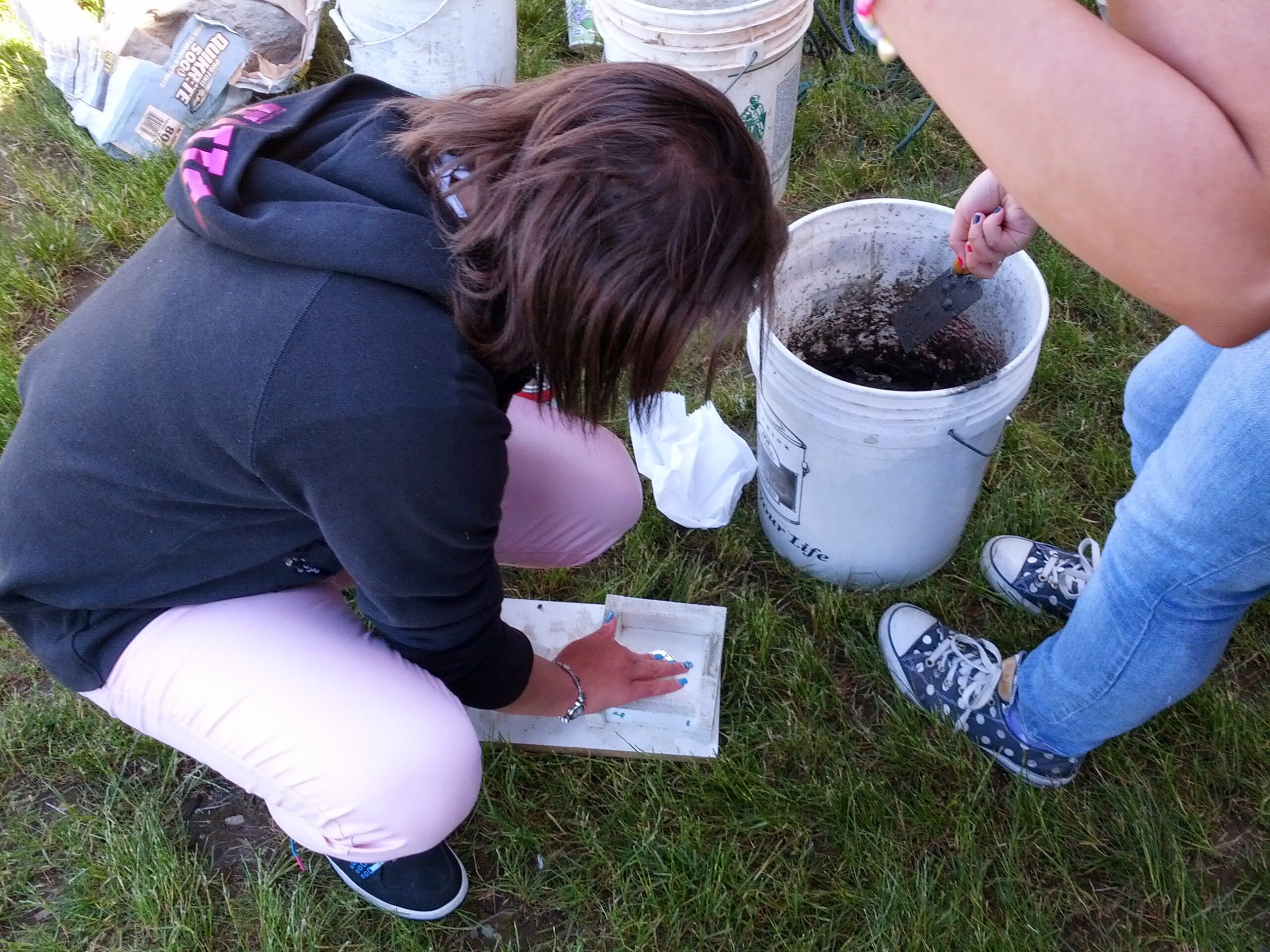
    I, of course, had students mix and form concrete to make tea light candleholders. It was so much fun making things with students and letting them into another side of who, we the teachers are.

    River City Redesign
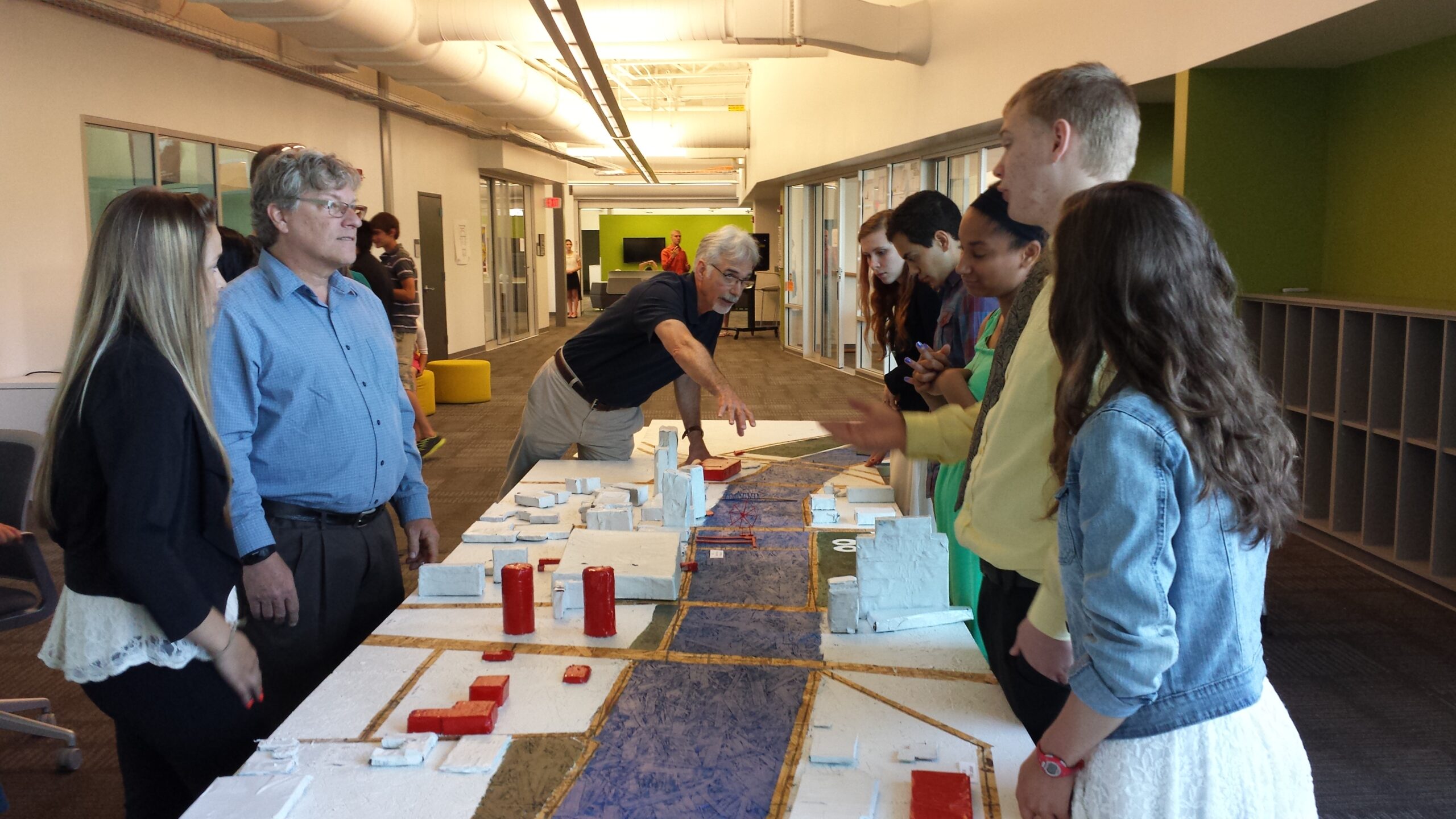
    The Water Project was undoubtedly, my favorite project ever! We integrated all sophomore classes into one massive project to end the year. The focus was to redesign the riverfront in downtown Grand Rapids based on the proposed plan to return the river to its natural state by removing and lowering dams. The Driving Question was “How can we as architects redesign the Grand River waterfront to promote ecological and economic growth for our city?” Students applied chemistry as they studied water quality, geometry in creating a 3D scaled plan, and social studies as they surveyed the community and plotted the best ideas for environmental sustainability and economic growth. We studied how rivers have been revitalized all over the country and world.

    During this project, students flexed their SEL skills. Leaders choose themselves and came up with new ideas and plans for the project. A marketing team was created by students excelling at public communications sharing the project with the community. Collaboration between teams was a challenge that students met by calling meetings and working out compromises and timelines. Students organized a compelling final showcase and successfully invited many community leaders. They problem-solved both the project and the problem at hand-making the city proud of its river-with creativity and passion.

    Legacy Project
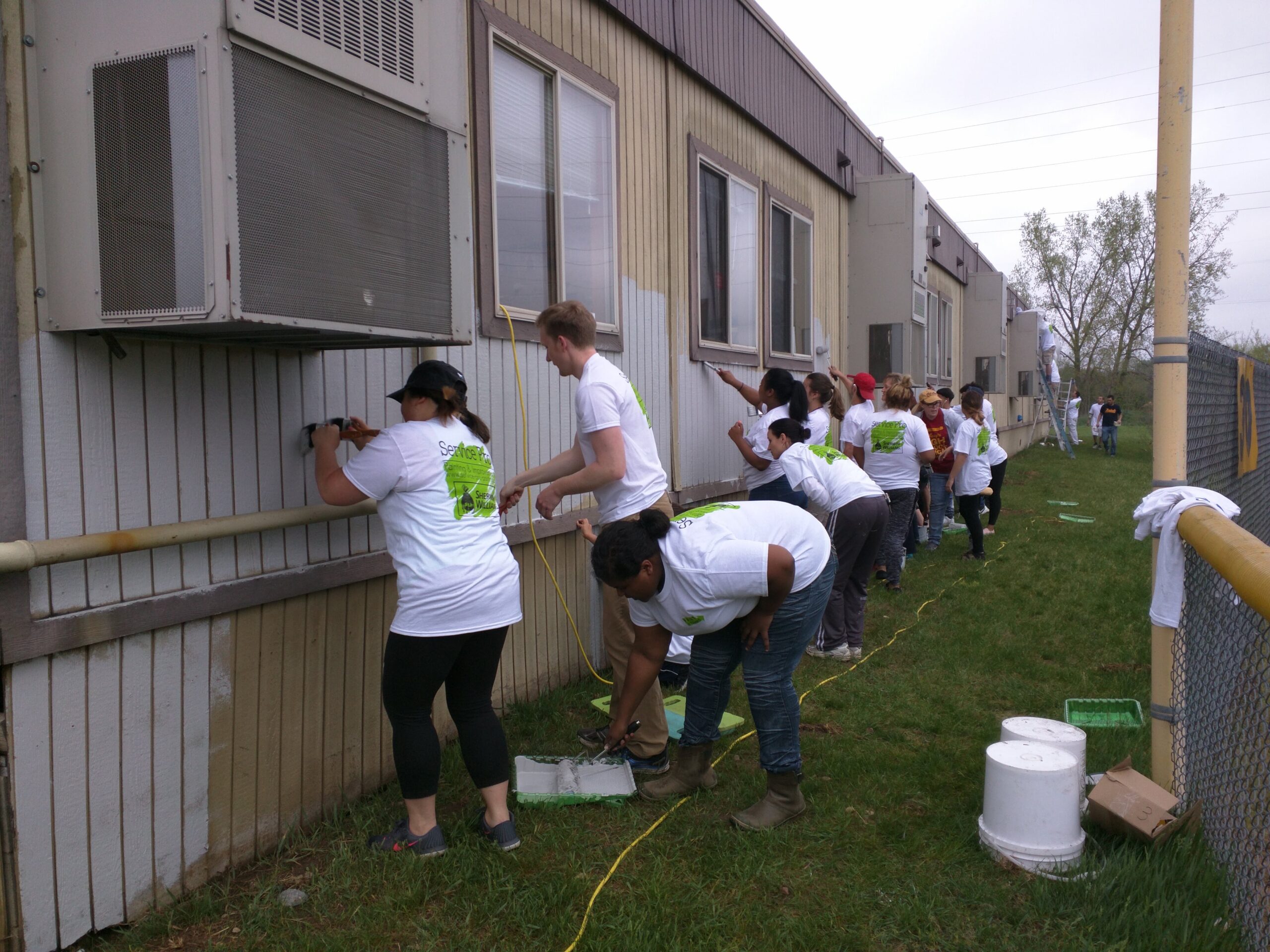
    Our school was a somewhat worn modular building that did not necessarily make students feel valued or important. We challenged all of our students to come up with a plan to improve our facilities. We asked them, “What will be my legacy at East Lee Campus?” Students brainstormed many ideas both inside and out. We found support from a local painter who donated labor, equipment, and some paint. A local bank who matched those funds and students were able to paint the outside of our building, remove a chainlink fence that made them feel like prisoners, and update the landscaping.
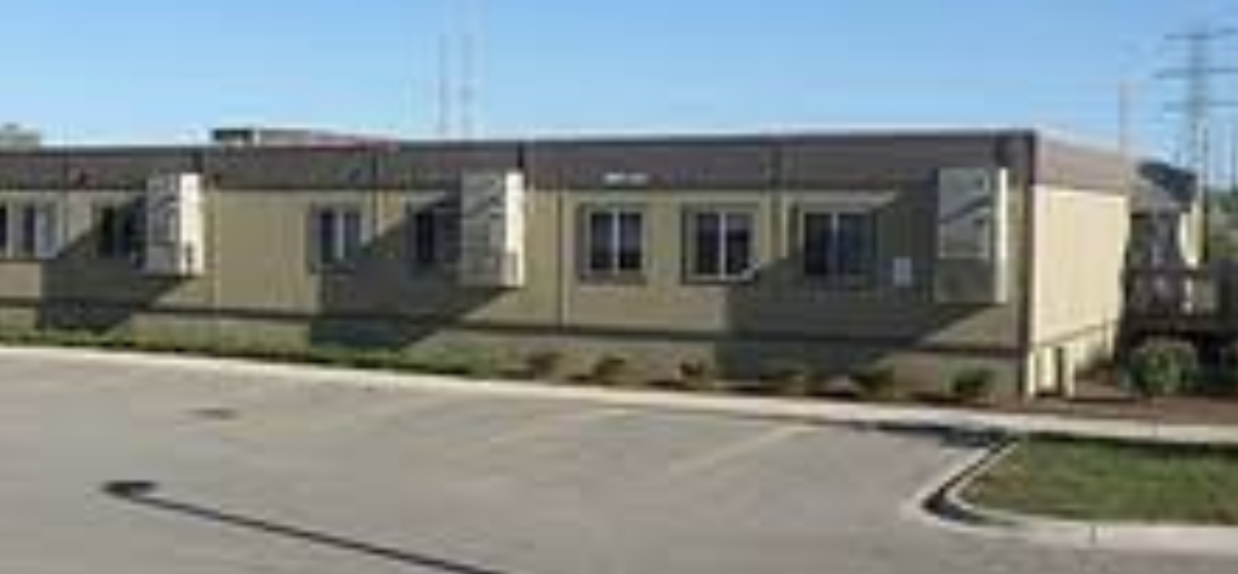
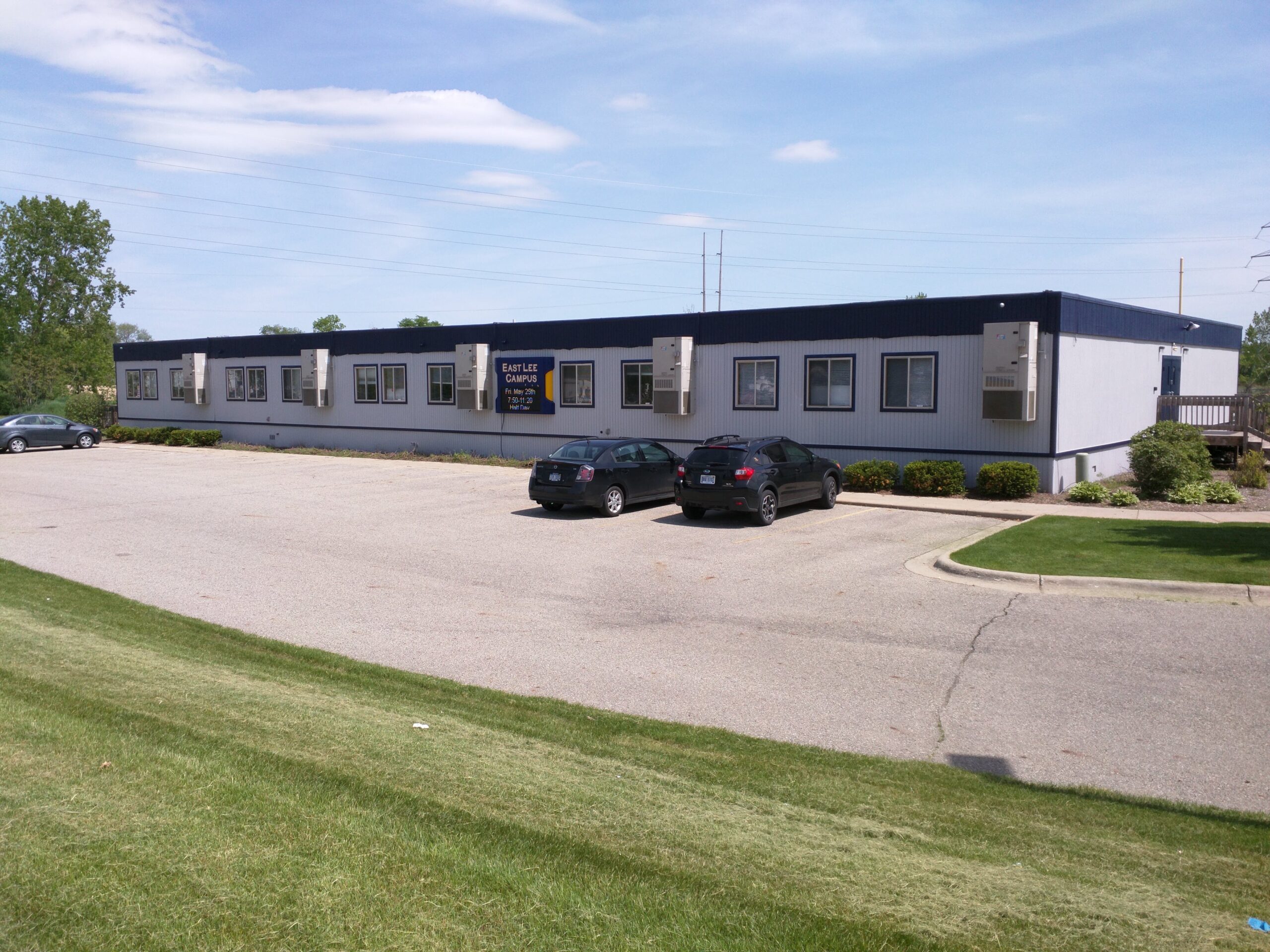
    Before and After

    The tests are over. The pressure is off, and the possibilities are endless. How could you end the school year with meaningful work that students will remember for the rest of their lives? What opportunities disguised as problems are in your community? How can your students flex their SEL strengths to make a difference?

    Interested in learning how you can develop SEL skills integrated in your classroom? Check out my virtual workshops this summer! I am also booking workshops with schools across the country on PBL and SEL.

  • Remote Reflection in PBL

    Fake Dewey quote that we all love…

    This is the ninth of a series of posts about what Project Based Learning infused with Social and Emotional Learning looks like when teaching remotely. Is it the ideal situation? Probably not, but it is the reality that many of us are dealing with. I will share my ideas and what others are doing to hopefully inspire you to action.

    Velcro Moments

    Reflection is an act of metacognition, thinking about one’s one thinking. Although the quote on the top of this post can’t be directly attributed to John Dewey, it’s an accurate portrayal of his ideas. I am a huge proponent of active, hands-on learning. I believe whoever is doing, is learning. If the teacher prepares an engaging lecture, the teacher is the primarily benefactor from the research and preparation of it. Students who passively listen to the lecture gain only slight knowledge. But as Dewey advocated, we need students to be actively engaged with their hands and their minds. Word searches, crafts, or even projects without direct ties to content concepts can just end up being busy work.

    Taking time out for student reflection creates velcro moments where the learning sticks.

    Jim Bentley

    Slowing down, silently thinking, and sharing thoughts with each other cements moments of clarity in learner’s minds. In Constructivist theory, reflection gives mental space for learners to place their new knowledge or skill in relationship to what they already know.

    Reflect on What?

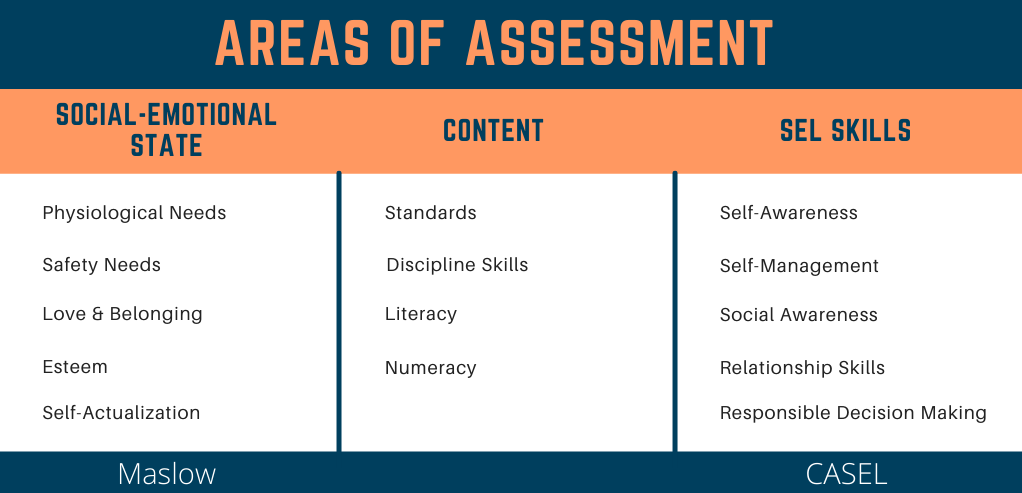
    Reflection is about self-assessment of one’s knowledge, performance, abilities, or state of mind. It is important to be clear on what we want students to reflect on. The kinds of reflection topics should mirror the Areas of Assessment. Reflection should not be limited to only one area but be balanced between the social-emotional state of the learner, content, and SEL skills.

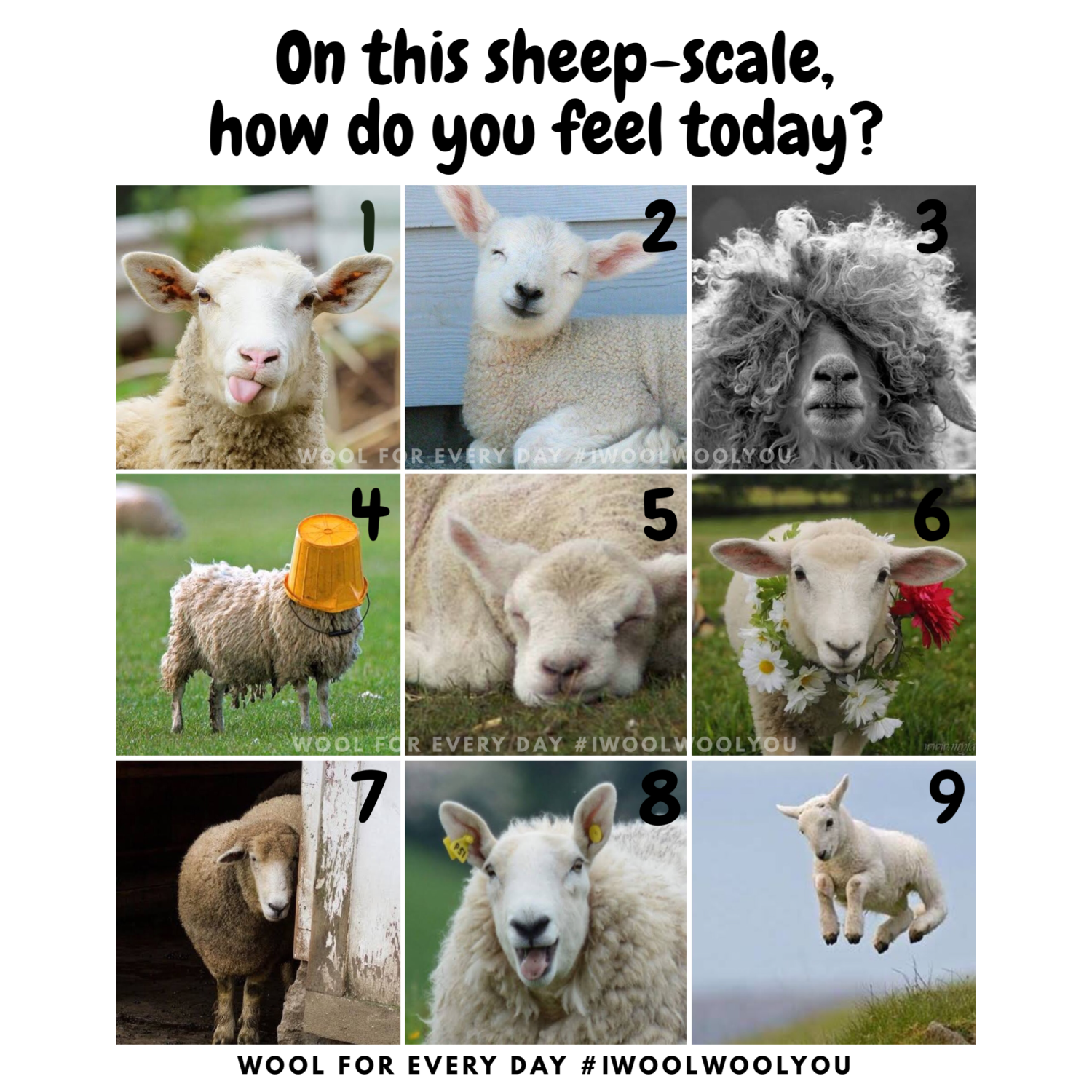
    It’s important that teachers check in with each student daily to build relationships with them. We are gauging the state of the learner and making sure that they are ready to learn. But we should teach students to reflect on their own emotional state. For example, when students enter the classroom we might use a mood meter to have them consider their social-emotional state and ask themselves if they are ready to learn. Some teachers use a calm corner as a designated spot for students to reflect or decompress if they are upset. It is important for students of all ages to recognize their emotions, how they affect their feelings, and to develop coping skills for when they are upset or unhappy.

    Mood Meter

    Other times we want students to reflect on new concepts or skills that are the purpose of the day’s activities. Consider prompts that ask them to analyze problems or situations, evaluate evidence and sources, rate their confidence with a newly learned skill, or connect to previous learning. Creating their own concept maps is an excellent way for building content connections. Reflection builds bridges between the different schema in our brains connecting new learning to old knowledge.

    Lastly, sometimes we should have students reflect on their Social and Emotional Skills. How is their group functioning? What personal areas of strength are they contributing to their team? How might they function more efficiently? What are their next steps in their project? How have they shown empathy with their audience? What is their SEL goal and how are they achieving it? You may choose to focus on one competency at a time or have students reflect on all of the competencies at different times throughout the project cycle. Reflecting on SEL practices is essential part of teaching, practicing, and assessing the competencies.

    Mixing in a variety of all three types of reflection throughout the day or week leads to consistent improvement in all areas. Ultimately all three areas are connected and addressing each one in turn leads to the greatest growth in both content knowledge and development of the entire child.

    Protocols

    In the classroom, reflection takes on many forms and does not need to be time consuming. It can be a private, written reflection such as a 3-2-1 exit ticket.

    • 3 things I learned
    • 2 things I wonder
    • 1 area where I am stuck

    Other written approaches are a quick response on individual whiteboards or in a journal as part of a daily warmup routine. Mixing up topics and focus areas keeps reflection fresh.

    Reflection can be verbal and communal as well with a Think, Pair, Share or Turn and Talk with an elbow partner. Something as simple as 1 minute of silent think time before allowing responses in a class discussion integrates reflection into classroom culture. This is an equitable practice because it accommodates slower processors. Each of these protocols starts with individual thinking and then adds social aspects of sharing with a partner or small group. Students build upon their own knowledge with the reflections of others.

    Reflection can be a simple, non-verbal checkin with Thumbs up/Thumbs down or Fist to Five. These formative assessments instruct the teacher on how students are feeling about their understanding of a topic or a skill, revealing vital information from students self-assessing their current level.

    Other times, like at the end of a project, reflection might be longer, with a paragraph of writing. I like to use open-ended questions on a Google Form to have student evaluate me, the entire project, and their group collaboration. I also have a class discussion on the same topics. Some student will write things that they would never say out loud, while others will share verbally what they wouldn’t write so everyone reflects and gives feedback in ways that they feel comfortable.

    Remote Strategies

    All of these areas of reflection and the protocols translate easily online. I often use a mood meter or “On the scale of…” to checkin with students as they enter the virtual room to check on the emotional state. Even my students who don’t want to turn on their cameras or unmute themselves will share in the chat.

    There are probably a thousand apps and tools to collect answers from students. As I have said before, it’s not about the tools, but picking a few that you and your students are comfortable with. I like to use Google forms and Padlet for students to submit exit tickets. Flipgrid is great for students to record talk alouds of their verbal reflections. I use protocols such as Visible Thinking Routines with Google Slides. Concept mapping can be done in Jamboard or other online whiteboards.

    The built in features of video conferencing work great. Students can click on Thumbs Up/Down emojis to share their current level of confidence or submit Fist to Five as a private message to you in the chat. Small group reflections such as Turn and Talk or Think, Pair, Share can be done in breakout rooms.

    In many ways, reflection is easier online as students are already isolated from each other so they have physical and mental space without distractions. Be aware that some homes may not have this advantage with multiple siblings or other interruptions beyond their control.

    The most important takeaway on reflecting, whether virtual or face-to-face, is that it is vital for deeper learning. Teachers need to intentionally plan it into their lessons daily and make it a part of the culture of the classroom. Reflection builds thoughtful students who can solve problems with empathy and creativity.

    Questions? Interested in an SEL infused PBL workshop or consulting?  Connect with me at michaelkaechele.com or @mikekaechele on Twitter.