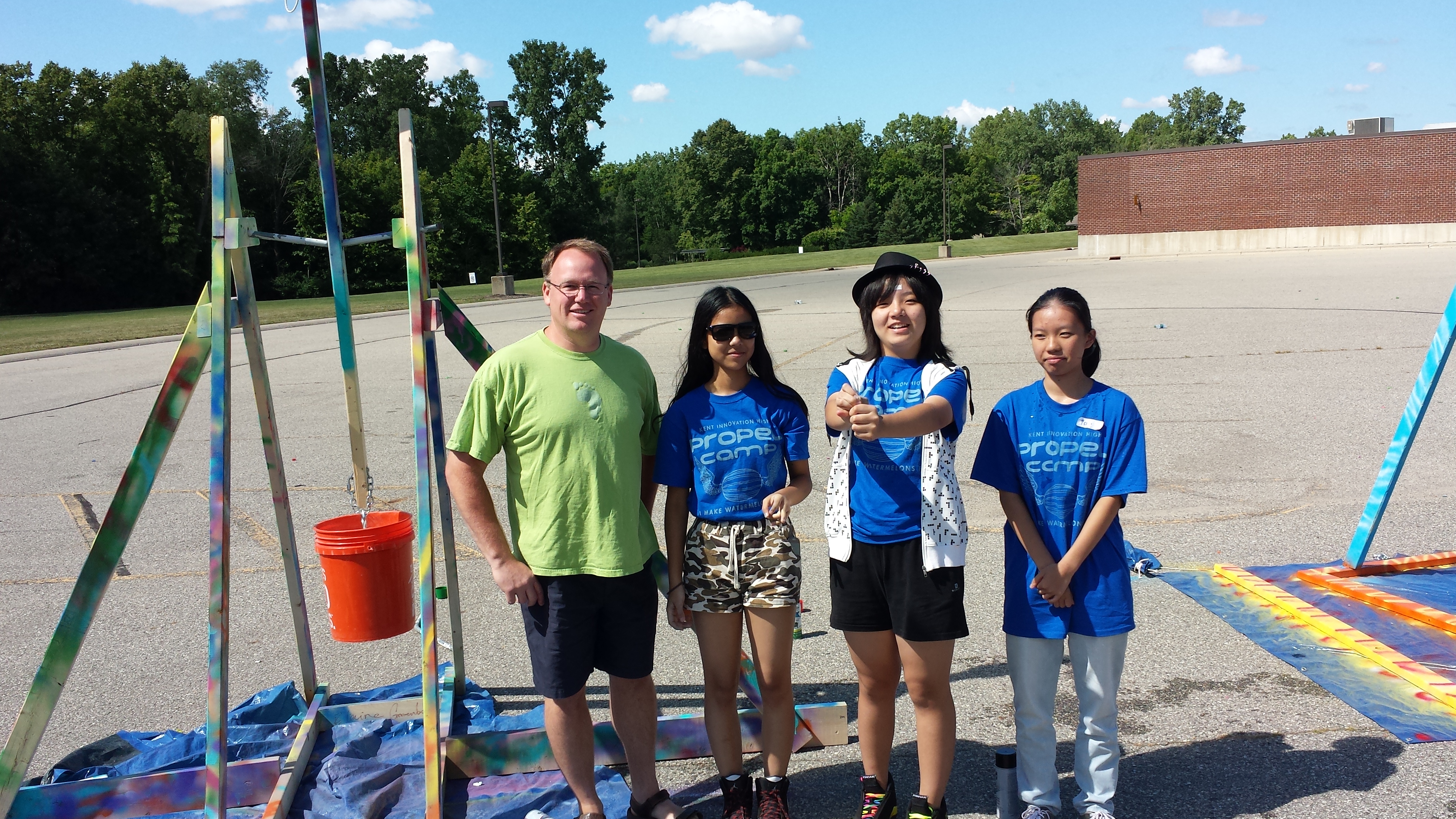
I am going to do a series about my reactions to a family trip to Washington D.C. These are kind of social studies posts, but they are really about how America portrays herself. So I think they are really about what it means to think critically about citizenship and our “American image and values. Part 1 Memorializing War.
A big part of what Washington D.C. represents is American heroes. From politics to science to human rights we try to remember and honor some of our most important citizens. Just like with the war memorials, I think who we honor and how is revealing of who we are as a country and how we try to portray our values to the world.
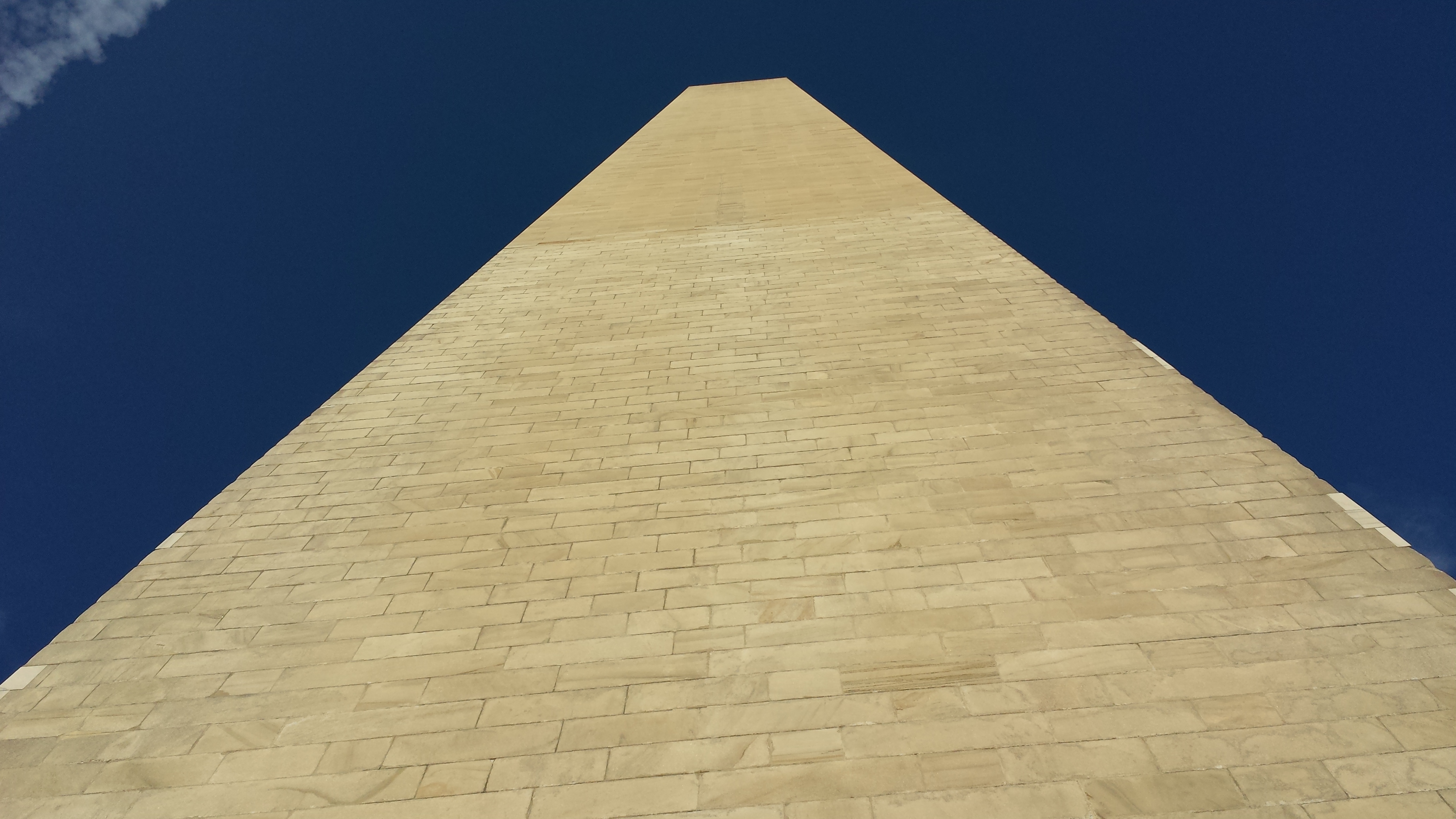 Most of the largest (therefore the most important right?) memorials are of presidents. Washington, Lincoln, and Jefferson are the big three. What these monuments have in common is their enormous size and visibility from anywhere around the National Mall. The FDR Memorial is large in a more spread out way, but not as ostentatious as the other three. The size and location of the “big three” scream to tourists, “we are the most important Americans ever!”
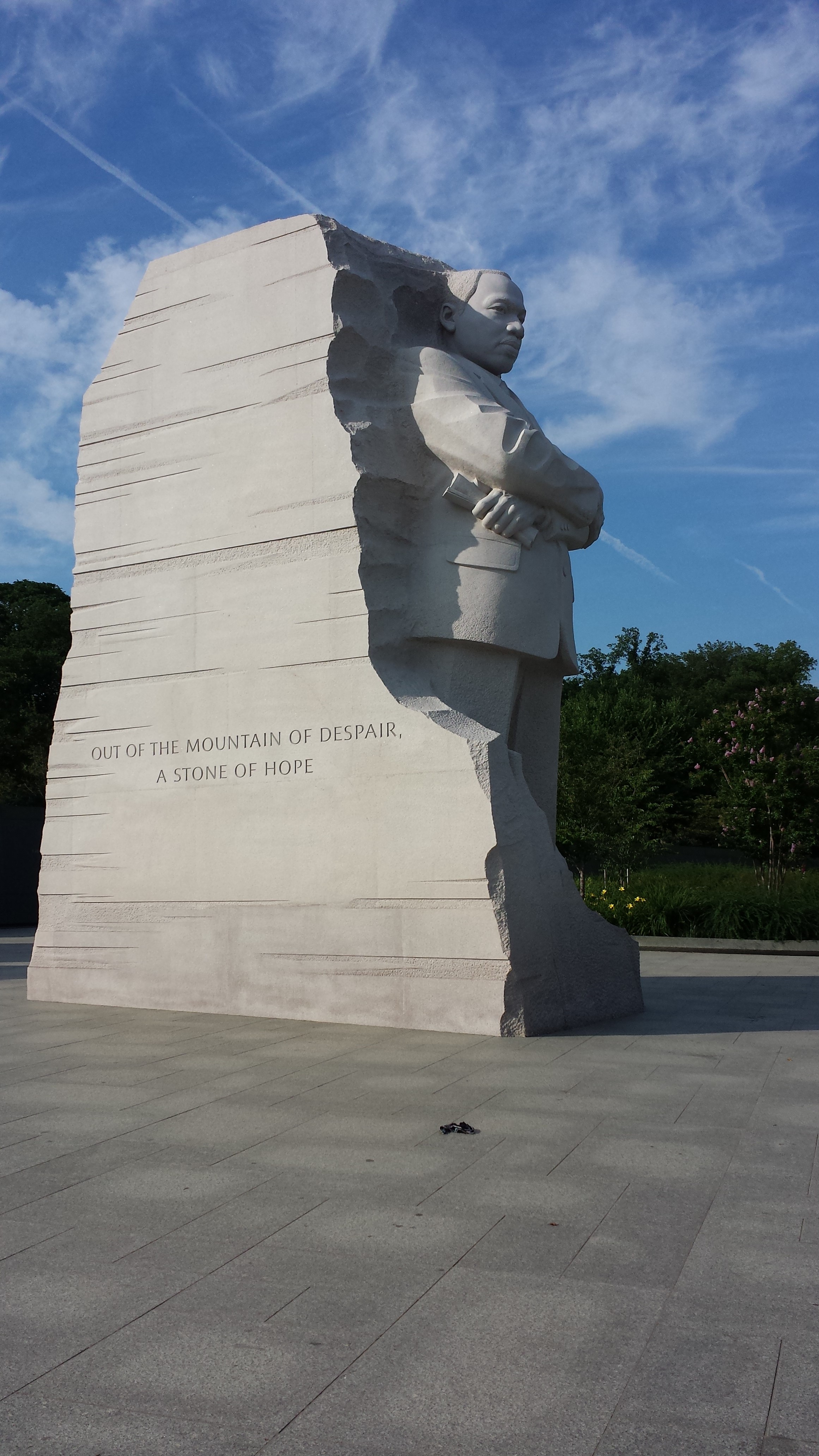 The MLK Jr Memorial is very large also and has the symbolism of him breaking out of a mountain that I really like. But it is not in a central location and can not be seen from the National Mall. It is kind of hidden, just like how we would like to hide the ugliness that necessitated the Civil Rights Movement. I do like that it is across the lake from Jefferson. That seems appropriate as Dr. King helped fulfill Jefferson’s ideals.
The other place for heroes in D.C. is the U.S. Capital. Every state gets to send two statues of its heroes to be on display through out. I found these fascinating and much more diverse. States are also allowed to exchange these statues if they want to. There were Native Americans, scientists, and even Southern generals of the Civil War.
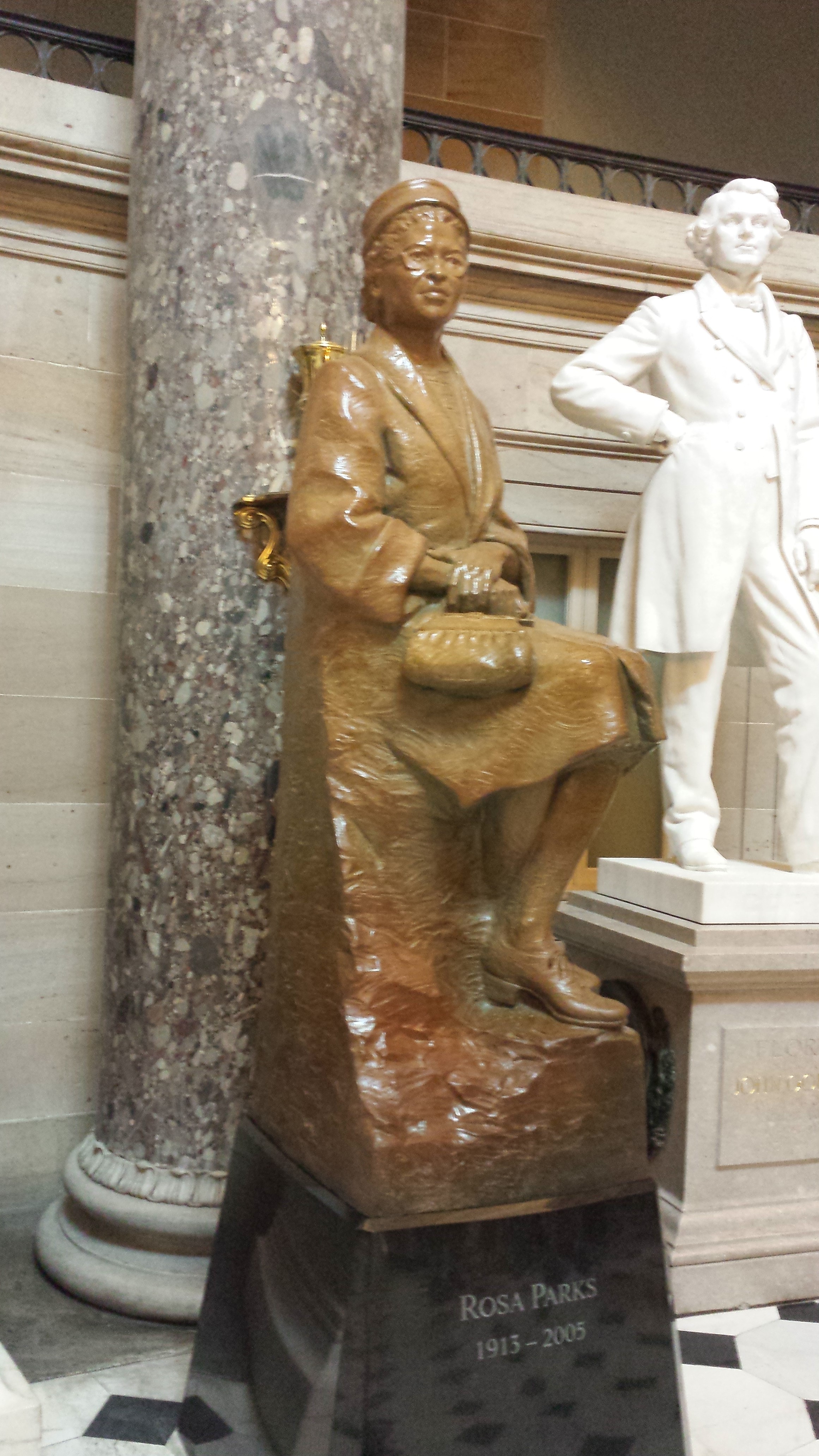 There is only one statue that was not commissioned by a state, but by Congress: Rosa Parks. The reason is that they did not want her to ever be removed. The irony is that she sits in a spot formerly held by the statue of Robert E. Lee, who was moved to the basement of the Rotunda.
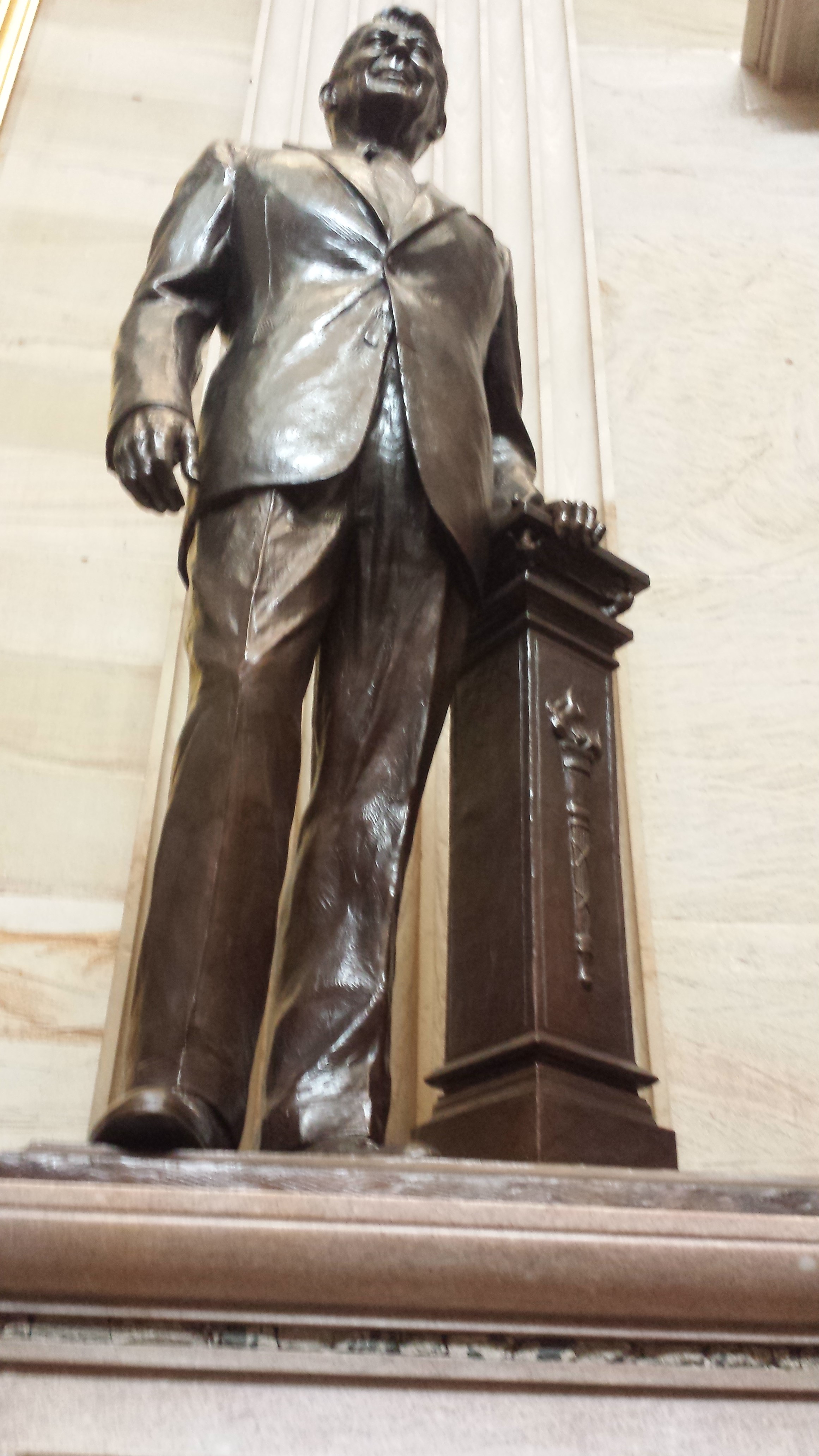
The other statue that made an impression on me was Ronald Reagan. He is in a place of honor in the main rotunda room. If you look closely you can see actual pieces of the Berlin Wall at the bottom of the statue, perpetuating the myth that Reagan was the reason the wall came down. “Mr. Gorbachev, tear down this wall!” (wall comes down two years later when Bush is president). A classic example of how we remember “history” how we want to instead of how it actually happened.
So I was fascinated by who we remember and how. All of them are so perfect and majestic. But they are also so sterilized. Where is the Malcolm X or John Brown Memorial? Why do I know that these will never be made? I also found this piece which has the great idea of telling the “rest of the story” (H/T to Paul Harvey) of our heroes. I love the idea of subversive memorials that tell the complete picture of the complicated individuals that we call “American heroes.”
So what messages are we sending to our citizens and the world?
- Americans are lead by perfect heroes.
- If you aren’t perfect then you can’t be a hero.
- We are the founders and source of democracy and freedom.
- Telling the myth of American exceptionalism is more important than the actual facts of history.
I think these values are also reflected in American History textbooks and most classrooms. I think that we can do better.