This is the sixth of a series of posts about what Project Based Learning infused with Social and Emotional Learning looks like when teaching remotely. Is it the ideal situation? Probably not, but it is the reality that many of us are dealing with. I will share my ideas and what others are doing to hopefully inspire you to action.
- Remote Entry Events
- Remote Need to Knows
- Remote Inquiry in PBL
- Remote Assessment in PBL
- Remote Autonomy in PBL
- 7 Remote Feedback Protocols
- Remote Public Presentations in PBL
- Remote Reflection in PBL
Artificial vs. Authentic
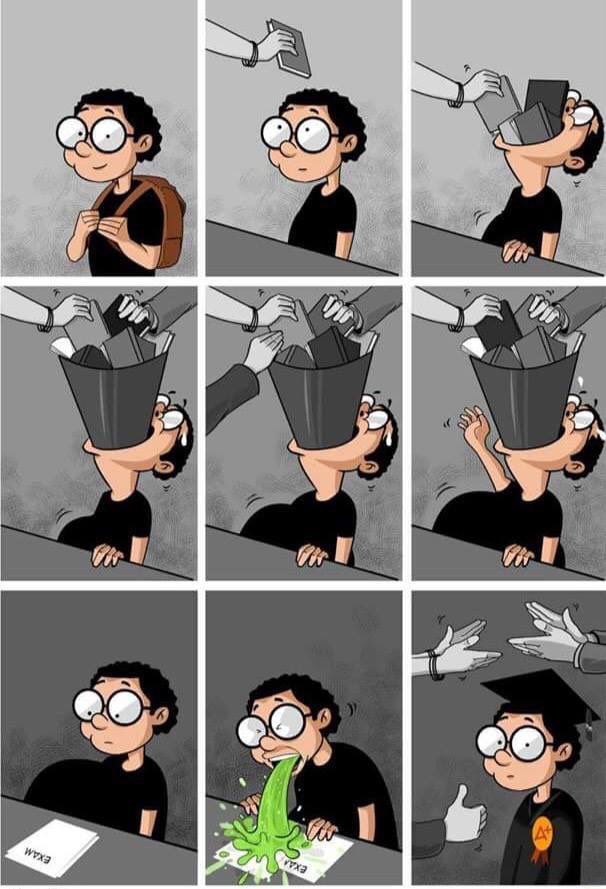
Everything is schools tends to be artificial or done for “practice.” Students rarely address original issues, but instead learn about what others have achieved in science, literature, history, and math. The system is designed to teach students a subset of information about what we already “know” to be true. Ignore for a moment, the ridiculous standardization that adults can choose the correct subset of the vast knowledge of the entirety of human existence that is necessary for all children. This pedagogical approach of only learning proven facts is boring and patronizing. Then we wonder why by the time students reach secondary school they aren’t curious? The truth is, they are still curious, just not at school.
Educators are preparing kids for their future, instead of helping them navigate the present. The world has so many problems that the next generation will have to deal with: poverty, hunger, equity, pollution, climate change, wars, and ethic strife to name a few. What if instead of telling students you will have to fix these problems some day, students worked on solutions right now? Why do we so often sell our kids short on what they can do?
What if school was a set of problems to be solved instead of standards to be covered?
So if we have the mindset that students should be addressing meaningful problems instead of mindless worksheets learning what someone else has already figured out, then we must engage in our communities. We do this so that kids can grapple with global issues, but apply solutions locally.
Not all of our students will be Greta Thunburg with a worldwide voice to address their concerns. It is critically important that all of our students do understand that change happens from the collective actions of individuals, not just famous voices. The Civil Rights Movement is as much about the hundreds of thousands who stood up against segregation on buses and at lunch counters as it is about Dr. King and Rosa Parks. The nameless sea of faces who heard the I Have a Dream speech and acted on it are as important as the man who gave it. Your students can make an enormous impact locally in their community that leads to systemic change.
Role of the Community in PBL
So how should you involve the community in Project Based Learning? There are several key roles that the community can play throughout the process. You could invite a guest speaker to launch your entry event by introducing a problem for students to explore. Or invite them during the middle of the project to provide expertise on one of the student Need to Know questions.
Consider finding a group of experts who can coach students throughout the project, giving feedback and expertise. They might be a combination of older students, university students, and professionals. Maybe your hands-on project is better served by partnering with a construction company and having a group of blue collar workers share their craftsmanship. Whatever the fit for your project, when you bring in outside experts you are modeling collaborative learning and that you, the teacher, don’t know everything.
The community might be the audience for the final presentations that students will share their findings with. Traditionally this tends to be a big, public showcase. But it can be just as powerful to present to a smaller panel of experts who can give students meaningful feedback. This could be done live in a video conference call or on demand via videos with feedback. (Flipgrid is a great tool for this). Ideally, involve the community throughout the project from start to finish for greatest impact.
The community can serve as the source of the project. Matt McCullough visits local businesses and asks them to give him problems that students can help solve. He is not asking for their support or resources so much as offering to provide a service to them. One of my favorite examples is when his elementary school collaboratively investigated which potato a local business should plant next. Students from kindergarten through fourth grade worked on different aspects of the problem. They were not just researching for a local farm, but a business cultivating thousands of acres throughout the midwest and the east coast. Upon conclusion, the fourth graders presented their findings to over 100 shareholders who flew into their corporate summit. Check out the video to see the culmination and imagine how these students felt.
So who should your students engage with? The short answer is everyone. Practicing the SEL skill of Social Awareness, students should be getting multiple perspectives on any problem that they are considering and practicing empathy. They can engage with other students at different grade levels or other schools (think penpals using video conferencing), parents, local businesses, the chamber of commerce, and non-profit organizations. They can network with colleges and local professionals who are experts in a topic they are investigating. Student could connect with public service workers such as police, fire, and local government officials to understand current policies and advocate for changes they find necessary. Surveys could go out to the entire community literally making everyone the target audience.
Tools
One takeaway from Covid is that everyone in the world knows how to video conference. Furthermore, a larger number of people are working from home than ever before and are willing to “visit” your classroom. It is actually easier now than before when they would have to take time off work, travel, and rearrange their whole day. Now partners can simply join classrooms at any time.
The community doesn’t need to be live either. Students and adults can communicate asynchronously to ask questions or give feedback. That is the way that adults work most of the time. We all know how to use email, text, and social media to connect with people. There are thousands of apps and websites that students also could use. None of them are gamechangers, but many of them are helpful. I personally prefer the Google suite of Docs, Forms for surveys, and Slides, but it literally does not matter! Pick one or two tools that your students have access to and you are comfortable with and run with them.
It’s really not about the tools at all, but about a mindset that sees community partnerships as a vital piece of the curriculum, as important as assessment, differentiation, and standards.
We have the technology. We know how to use it. Step out of your comfort zone and network with your community to find experts and resources for your students to address issues that matter. Let’s move school from artificial to authentic.
Questions? Interested in a PBL workshop or consulting? Connect with me at michaelkaechele.com or @mikekaechele on Twitter.