
Blog

  • When They Want Schools to be like Businesses…

    Cheesy Stock Business Photo

    I hate when business people want to apply, without context, their ideas to schools. But this modern take on management is very compatible with PBL classrooms.

    Author Kim Scott has been co-founder and CEO of multiple tech and consulting companies and a high level manager at both Google and Apple. She has been advisory consultant to leaders at Dropbox and Twitter. She has managed companies working in Kosovo, Moscow, and Israel. In other words, she has led at some of the best and most innovative companies in the world.

    I have adapted a management quote from her book, Radical Candor, Be a Kick-Ass Boss Without Losing Your Humanity to our school setting:

    “When I was at business school staff meeting, I was taught that my job as a manager teacher was to ‘maximize shareholder value‘ ‘raise test scores.’ In life, I learned that too much emphasis on shareholder value test scores actually destroys value learning, as well as morale. Instead, I learned to focus first on staying centered myself, so that I could build real relationships with each of the people who worked for me my students. Only when I was centered and my relationships were strong could I fulfill my responsibilities as a manager teacher to guide my team class to achieve the best results. Shareholder value High test scores are the result. It’s not at the core, though. ” 

    A couple of thoughts, in the business world, data and metrics about making money really is the point. None of the companies that she started, or places that she worked for were non-profit charities. Their purpose was to make cash, yet she says focusing on profits over people is actually counterproductive to that goal.

    Now all of these companies use data and make decisions based upon it. But her core values are building personal relationships with her team and giving honest feedback to them. Qualitative data based on observations and relationships is more important than raw, quantitative data. Both businesses and schools involve shaping imperfect humans. Scott understands that relationships are the key to motivation and growth.

    The second thing is self care, which many teachers struggle with due to the many demands placed on them. We can not be who we need to be for others if we are personally drowning due to stress, poor health, etc. Take time for yourself to go on a hike or other exercise, make a delicious, home cooked meal, or read a book. Add it to your calendar if you must. It’s vital to your success!

    So if business folks want to evaluate schools, then they had better come from a human centered approach instead of a results driven one. Since even in their world, it is more effective.
  • Life Long Mentors

    I once wrote a post about the first time a student followed me on Twitter (I had to go looking way back for that post). I ended up with my own personal policy of not following students on social media until after they graduate. I didn’t block them in any way from following me, but I did not reciprocate.

    To be honest, I regret this self imposed policy now. Also I definitely didn’t hold myself to it the past few years.  I have since connected with many students and it is fun to watch them live their lives. Many have finished college, are getting married, having children, and starting their careers.

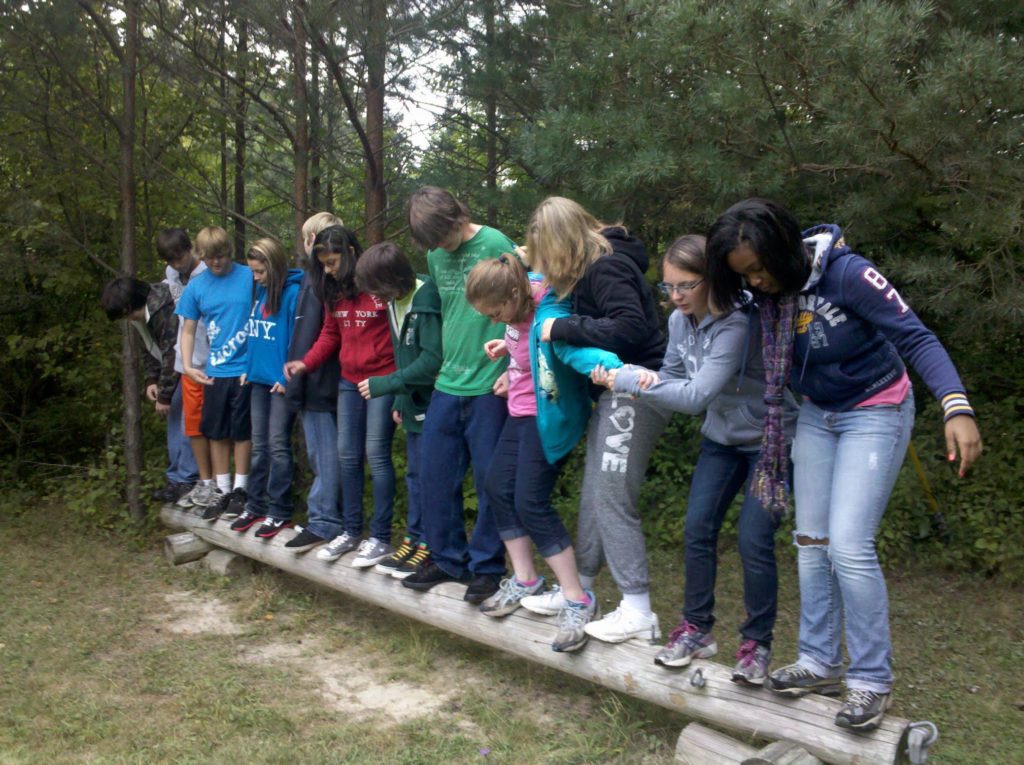
    It is very popular to say how important it is for teachers to build relationships with their students. We all love the old quote, “Students won’t care how much you know, until they know how much you care.” But I do believe that cliche is true and have personally seen the difference caring makes in the classroom. But…..

    How much do we really care if we treat each year of students as a “new batch” and forget about the old ones?

    If we really care about our students than it should be for more than one year. Now I realize that there are physical limitations to the amount of caring we can do after students leave our classes. I have had thousands of students over the years and would be lying if I said that I can remember them all, especially their names 🙂

    But social media is a great tool to keep up with as many students as possible. It is impossible to have the same close relationship with every student, but we can connect with many and our influence can be multiplied.

    One of the groups of students that I am most strongly connected to is my first class at the wall-to-wall PBL school that I taught at. It was a new school and an exciting experience for both myself and the students. I looped with the kids so I got to teach them for two years in a row and for some of them I taught again as seniors. The length of time together and the powerful culture of our school resulted in deep bonds.

    The other way that I have bonded with students is through meaningful projects. Our best projects got students excited about the world and making a difference. Students learned about who they were as a person and what mattered to them. Some of them discovered new career interests and skillsets that they didn’t even realize that they had! It was my privilege to encourage them in their unique paths as they explored their passions.

    When I say that I care for students, I don’t want it to be for one year. Social media gives me the ability to be a lifelong mentor and friend to them. So for all of the negativity that can be found in these online spaces, don’t forget that they are also powerful tools to keep up with our students.

    How can you structure your school and leverage social media for long term relationships with your students?