This is the second post in a series where I flesh out why the ideal traits of a PBL teacher are important. Check out the links to the rest of the series below the post.
Why do we teach? A basic question, but how you answer may reveal your philosophy. I would argue that no one’s content is so valuable that kids are going to suffer in life if they miss it. The core of what we do isn’t curriculum, standards, or academic growth. Nope, it’s the kids. So making them the center of your class makes sense. Let’s look at some examples of what that might look like.
Space
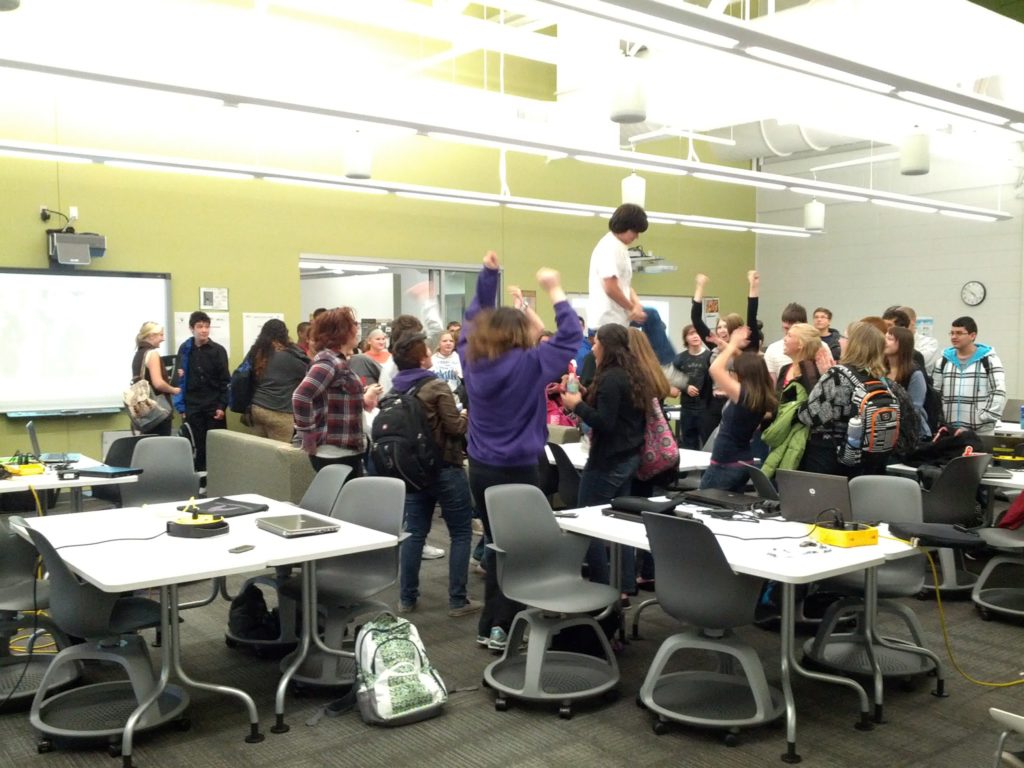
The first time I enter a classroom, I observe the space and make some assumptions. Are the desks in rows facing a screen or are there chairs in groups facing each other? Does the teacher’s desk and “personal area” take up a huge chunk of the room? Do the walls have student work showing creativity or does it look like a Pinterest page vomited on them? Are there past projects, supplies, or “junk” laying around demonstating that students make things or does the room feel sterile?
All of these things are evidence of whether the adult teaching or students working is the center of the teacher’s philosophy. Room design communicates to students the culture and values of the teacher from desk alignment, to alternative seating choices to light and decorations. Is it about efficiency and beauty or conversations and inquiry? Student-centered teachers exhibit kid’s work as the theme of their space.
Active
Teachers who have already experimented with projects of any kind, even if they may be dessert projects, are taking the first steps toward PBL. If you have kids making, kids working in groups, or kids presenting in any fashion then you are taking baby steps toward a student-centered philosophy. If you have ever run a simulation, used skits or drama, or run a genius hour then you are more likely to shift to PBL easier.
Teachers with an active classroom of students moving out of their seats and working in groups are more comfortable with PBL. They understand that silence often implies consent to teacher control and that productive noise is evidence of learning. They understand the energy generated from a healthy buzz of working kids.
Why Over What
For years I taught U.S. history, making sure we “covered” all of the standards by the state. But in my mind, the standards and yes, even the project students were doing was not the end all, be all. I had my own set of goals for all of the students in the class. It was my “why,” my enduring understanding.
For me there were 3 things that I wanted every student to learn and U.S. History was the vehicle that I taught through:
- BS detection
- Multiple viewpoints
- Empathy
BS detection is important so that my students are critical thinkers. I don’t want them fooled by “fake news” from any political viewpoint. The multiple viewpoints of historical events lead to my final goal of empathy. I want my students to understand others’ views so that they can step out of their own biases and care for others.
Student-centered means teachers are more concerned about the enduring understandings of their content discipline than about any specific standards. It is about developing successful humans, not making sure that students know all of the curriculum.
Culture is Everything
I believe everything that we do and don’t do in the classroom creates our culture. Every word, activity, conversation said or omitted tells students what is valued. The layout of the room mentioned above, greeting students at the door by name, and developing relationships all show students that they are valued.
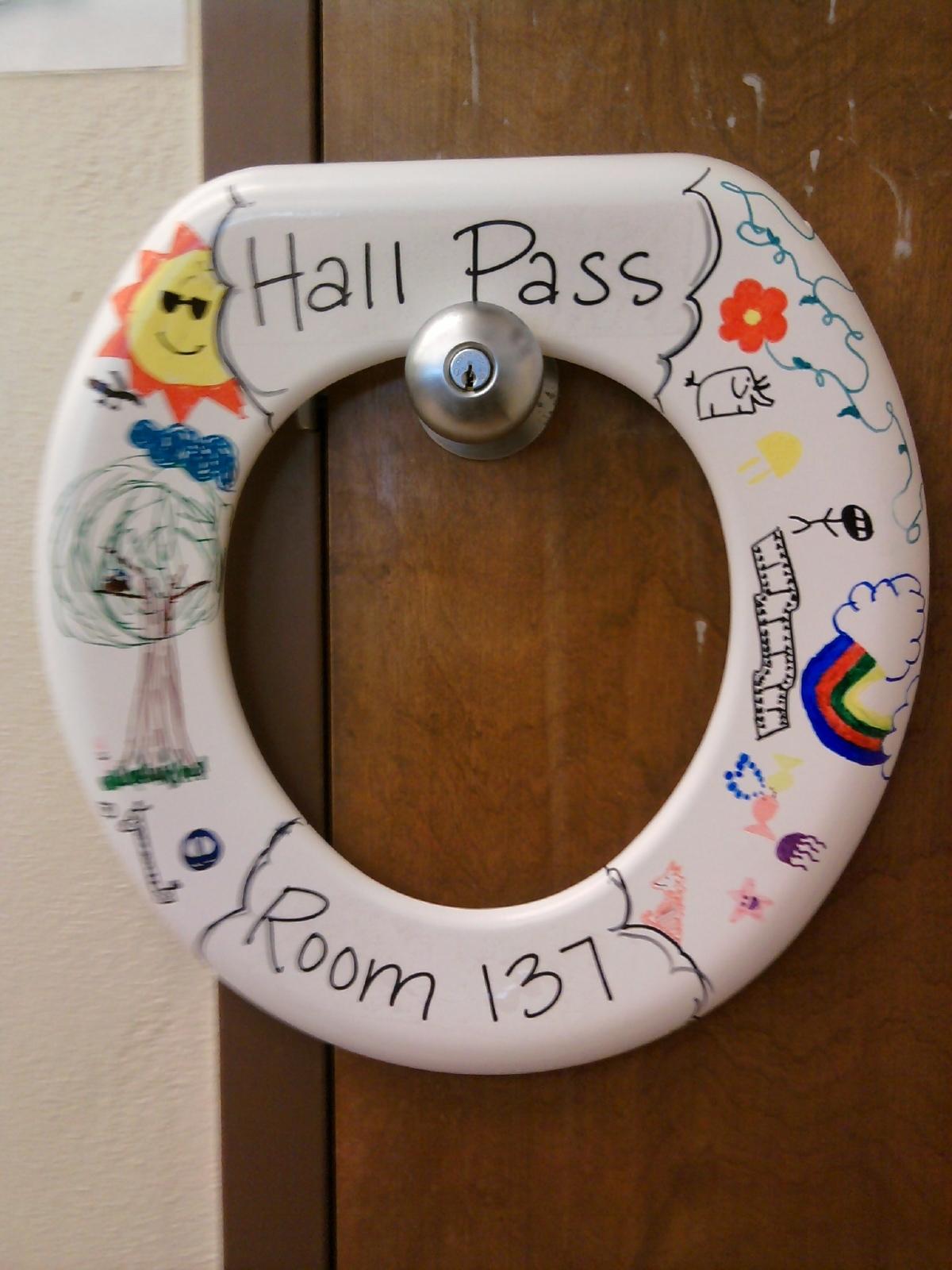
My mantra for students is a culture of “Trust, Respect, Responsibility, Effort.” At the beginning of the year, in a stern voice with no smile I tell students, “If you have to go to the bathroom or get a drink, don’t ever ask me.” I pause for effect, secretly enjoying the concerned looks on their faces. Then I continue with a smile, “Just go.” I tell them that they don’t have to earn trust in my room but that trust is assumed until broken. I talk to my students as adults, not talking down to them.
Student voice and choice is a key component of PBL and many teachers are comfortable giving students choices over content, products, or assessment methods. But student VOICE won’t happen without a strong culture.
One year early in our Civil Rights project, a conversation about discrimination turned into an open mic of students sharing stories of when they were treated unfairly. It wasn’t in my lesson plans for that day, but it was one of the most powerful feelings of community in the classroom that I have ever been a part of!
Sally raised her hand and shared that she was gay. She shared the pain of being rejected from her church youth group and her previous school. The culture in our class was strong so that she felt safe to come out in front of everyone. Sally continued to use her voice to stand up for LGBTQ rights. Student-centered isn’t satisfied with student choice, it promotes student voice and amplifies it.
Being student-centered is the most important trait of a PBL teacher. This teacher doesn’t “own” the space, but designs it for group work and shows off high quality work. Their class is active with the healthy buzz of kids working on projects. PBL teachers know their why of putting kids first is more important than their what of content. They work hard to establish a healthy culture of caring and respect where kids know that they are valued and safe.
Links to the rest of the series on Ideal Traits of a PBL Teacher:
Questions? PBL Consulting? I can be found at my blog michaelkaechele.com or @mikekaechele onTwitter.