The Covid 19 pandemic has turned the world upside down, changing life as we know in ways never dreamed possible. The only comparison that I have is dystopian or disaster movies. In all of the craziness that is now life, we need to find patterns to stabilize us. I was recently reading The Restorative Power of Ritual in the Harvard Business Review about how rituals help humans respond to change and loss. I got to thinking about how important rituals are in the classroom so here is a combination of quotes from the article and applications to the classroom (including online classes).
First of all, what are classroom rituals? They are not the same as routines and procedures such as where to turn in work and what to do if you missed class yesterday. The purpose of routines and procedures is to help class flow smoothly. Class rituals are different; they create community. Effective rituals build an inclusive culture of safety and belonging.
In PBL, the processes become rituals in the classroom: entry events, Need to Know lists, and feedback protocols such as the Tuning Protocol or Gallery Walk. These structures create the safety to explore and experiment through out the inquiry phases of a project. But the most important rituals are personal. They are inside jokes and personalized handshakes. In my classroom, our “warmups” were a vital ritual that established the culture of family.
Rituals give a sense of control and help reduce anxiety and stress.
Mike Norton, Harvard Business School
Rituals are particularly powerful for helping deal with uncertain times. They allow people to regulate circumstances that feel overwhelming. One of the most important rituals at our school was ping pong. It started organically with a board leftover from a summer catapult project and a couple of paddles. It turned into a community game of round robin played before and after school and during every break.
What was amazing about ping pong is that it united students from various backgrounds and created friendships between students who never interacted before. Some of our students that struggled most to “fit in” in high school became friends with the “popular” students. I watched students gain confidence and grow SEL skills through our silly games of ping pong (teachers played too).
Another ritual was “teacher hug Thursday.” This was the personal ritual of one student, Jacob. He went around every Thursday and gave all of the teachers and staff in the entire school a hug.
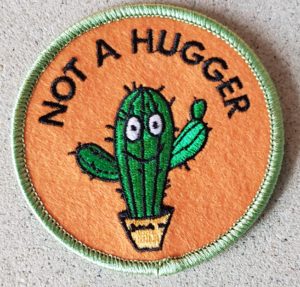
I am definitely not a hugger. I greatly believe in personal space. I was self distancing, before it was cool! So Jacob and I had our own ritual on Thursday mornings of me running and hiding when I saw him. He would chase me around or ambush me from behind. I always lost and eventually got hugged.
One day I asked Jacob, “Why? Why do you insist on this strange ritual?” He said, ” I want every teacher to never forget me.” Mission accomplished!
“Absurd rituals can have high utility. If it helps you create that sense of control, if it calms your anxiety, that’s what matters.”
Mike Norton, Harvard Business School
Class rituals can be fun. One colleague of mine ended class with “Throwback Thursdays” by playing music and having all the students participate in a line dance. They can be silly. Our students started making memes of my co-teacher, Mr. Holly, by pasting his face onto internet pics, printing them, and pasting them in random places around the school. My personal favorite was H. Swift (Holly + Taylor Swift).
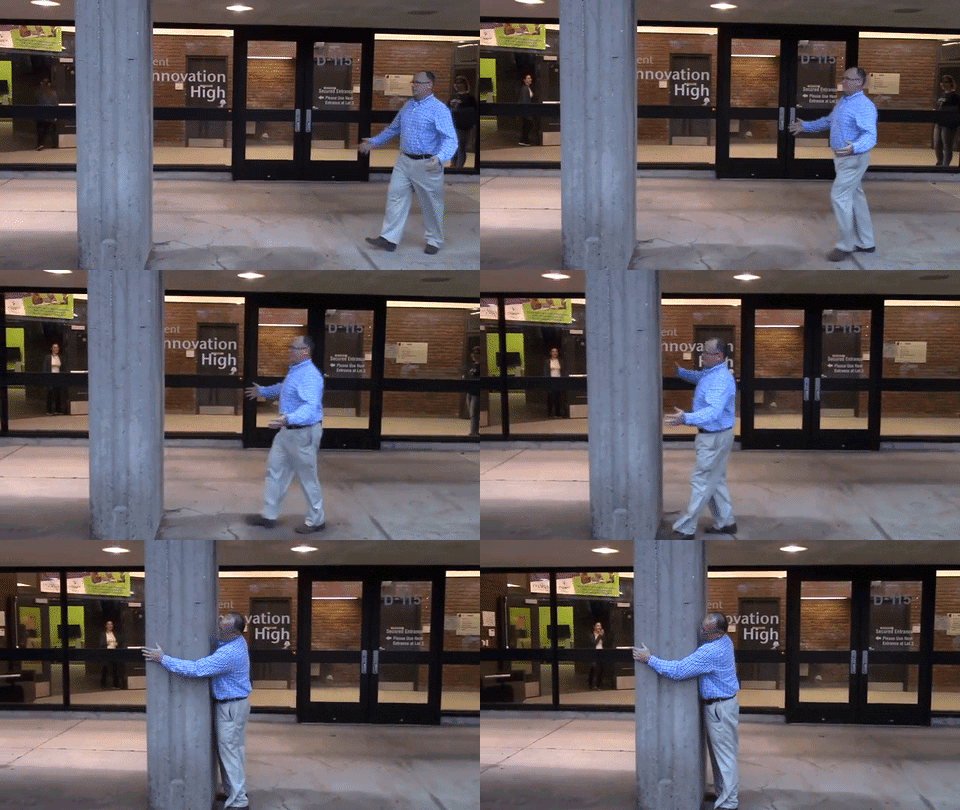
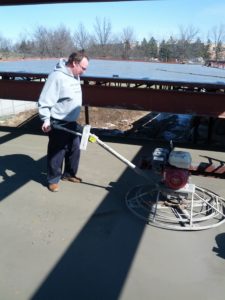
My personal ritual revolved around my previous career in concrete construction. One day I started complaining to my class that it was morally wrong that they painted the concrete columns when they redesigned our building to launch our school. Concrete should be natural.
Students thought it was strange and funny how I talked about concrete with such passion. So that egged me on to talk about it more. Pretty soon they knew they could get me off on a rabbit trail talking about the difference between concrete and cement.
The truth is that I don’t love concrete as much as students thought I did (although I did write a poem about it once). Our inside joke about concrete was me being weird about my hobby that gave students the right to be weird about whatever they were into: anime, coding, sports, art. We were all different flavors of nerds.
“They don’t have to happen organically; you can artificially insert them into your life. “
Mike Norton, Harvard Business School
This is the best part. Rituals can happen naturally or be intentionally designed at any time and have the same effect as spontaneous rituals. This is important as millions of teachers and students shift to online learning. Students are stressed and being at home is not a “vacation” for many kids, no matter what their home life is like. So reflect on these questions on how you might use rituals to support students online (now) and in-person (next year).
- What rituals existed in your face-to-face classroom?
- How could you adapt them to distance learning?
- What new rituals might you and your students invent to maintain control and community in uncertain times?
Questions? Interested in SEL and PBL Consulting? Connect with me at michaelkaechele.com or @mikekaechele onTwitter.