Category: Uncategorized

  • Why All Americans Should Honor Juneteenth

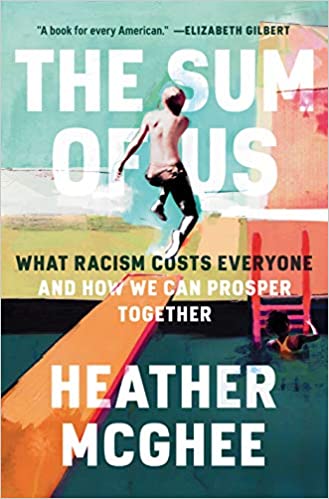
    This post is heavily influenced by this excellent book. Everyone should read it!

    In June of 1992 I arrived in LA to work with Dr. E.V. Hill at Mount Zion Missionary Baptist Church. It was the summer after my sophomore year of college and only weeks after the Rodney King riots. My daily commute took me through the charred neighborhoods that I had seen on TV. The truth is, I am not sure that I gave much to that community, but I sure learned a ton from them.

    My second day in LA was Juneteenth, and the church had a big potluck celebration. I had never heard of it before. I remember pans and pans of fried chicken and the red pop alongside the red velvet cake (which I had also never seen before. I live in the north, people). Since that day almost 30 years ago, I have never celebrated and only occasionally thought about Juneteenth again.

    “Juneteenth is for black people, not me.”

    Average White American

    With the designation of Juneteenth as a national holiday this week, I have been reflecting on how I imagine the average white American reacts. “That’s a nice thing for black people.” Implied in this response is that it is a holiday that has nothing to do with them.

    Here’s why that thinking is flawed. Slavery was an evil institution for hundreds of years in our country. It negatively affected all Americans. White enslavers committed criminal acts of cruelty and abuse. White society viewed blacks as inferior and sub-human. Sanctioned enslavement of people of color is our original sin. The abolition of the institution of slavery was a great step forward in our striving to our ideals: a democracy for all people.

    Everyone should celebrate the legal end of the evil institution of slavery

    My fellow white folx, we don’t need to throw a party today. Instead spend some time reflecting and learning. Here’s a great list of ideas to get you started. Check out the actual history of what happened on June 19, 1865. Read the book at the top of this post or Caste.

    Everyone should honor the end of the horrific institution of slavery, which improved this country for all people (although not equally). The federal holiday of Juneteenth does not fix the issues of equity in this country anymore than MLK’s birthday did. But it is a small step to remember a historic positive shift in our country and to dedicate ourselves to continue the work.

  • Is Homework Bullying?

    New Job

    A little background on the topic of this post. This past year I taught in a virtual school created last summer in response to Covid. This fall the school will not continue due to the majority of students returning to in-person learning. So I have accepted a new position teaching 6th grade math that I am excited about!

    As part of the on-boarding process at my new district, I have to take a bunch of the lovely online trainings on bloodborne pathogens, Title IX, hazardous products, etc. I was working on the Bullying one and was surprised to see homework as one of the subtopics. I have never thought of homework as bullying before. The general argument was that the best preventative method to limit bullying is creating a positive classroom culture, which makes sense. I love the recommended corrective phrase:

    “We don’t do that at this school.”

    Consistently redirecting students, instead of punishing them is the best way to change behavior and create a safe and accepting climate.

    Is Homework Bullying?

    The next slide addressed homework as an impact on school climate. It felt kind of randomly placed in this module. The points made included:

    • The amount should be appropriate to be completed in a reasonable timeframe
    • Should not require them to work with other students because of transportation issues
    • Should not require adult help as they may not have anyone available.
    • Homework should not be new content or skills.
    • (I would add to their list that homework should not require families to purchase any supplies).

    The next slide shifted to talking about teachers modeling the types of behavior that they want to see in their students. So the module didn’t directly come out and say it, but it seems to apply that teachers could be seen as bullies when they assign homework that is inequitable.

    Equity really is a huge issue with homework. Every student has a different homelife, financial reality, and support system. We cannot assume that they have adults or older siblings present who can help them when they are stuck. We should not expect families to purchase materials for our class. We cannot assume that students can successfully navigate new content and skills without support.

    In general, I am not a huge fan of homework anyway. In math class when students complete practice problems (usually in class), I make the number reasonable and I often give them the answer key. This solves several problems. First of all, I don’t grade the homework so there is no incentive to cheat by copying down a classmate’s answers. The emphasis is on learning how to do the math. My students self-assess with the answer key. If a student “gets it,” they don’t need to do 20 problems. If they get one wrong, they can reverse engineer the problem and develop their own problem-solving methods.

    This last point is crucial. If a student is getting all of the problems wrong and can’t determine why, then I teach them to stop and get help from a classmate or me. No need for them to keep reinforcing methods that don’t work or getting frustrated. It’s time to reteach in a different way or give personalized help. This is all part of standardized grading that focuses on mastery rather than completion of activities. The only thing that I am grading is the final assessment in the form of project, quiz, oral response, or test. It all comes down to understanding content and having the skills to demonstrate it.

    I would not go so far as to label homework as bullying from the teacher, but it definitely is a part of class culture that teachers should scrutinize more. What are your homework practices? Are they equitable? Do they focus on learning or busywork? Is homework really necessary?

    Interested in how you can create a positive culture by developing SEL skills integrated in your classroom? Check out my virtual workshops this summer! I am also booking workshops with schools across the country on PBL and SEL.