
Author: Michael Kaechele

  • Modeling Collaboration

    This is the sixth and final post in a series where I flesh out why the ideal traits of a PBL teacher are important. Check out the links to the rest of the series below the post.

    Collaborative

    Traditionally teaching has been an isolated occupation. Most teachers work independently and “shut their door and teach.” They are in charge of their students in their classrooms, focused on their content. With PBL, part of the shift for teachers is away from the idea that their primary job is content delivery, towards a holistic development of children including socio-emotional skills and success skills like collaboration

    Community Connections

    PBL requires more collaboration for teachers as well as students. Teachers must find authentic problems in their community. This often requires reaching out and networking with people, traditionally more of a business practice than an educational one. Making cold calls or going to social networking events may be new experiences for many educators, but great projects can be found by reaching out and working with your community.

    A great example of this is Schoolcraft Community Schools. My friend, Matt McCullough has developed an approach where he asks local businesses for problems that their students can solve. Most business people attended traditional schools and are not very familiar with PBL and are unsure how to collaborate. Matt has developed a process in which he helps businesses find appropriate issues that students can partner on. This requires contacting and meeting with many organizations in the community and taking the time to assess their needs that students can help.
    Integrated Projects

    Many teachers start out doing PBL on their own, in one subject area. They soon discover that the PBL framework is a natural vehicle for cross-curricular, integrated projects. The authentic problems in the “real world” are rarely siloed into pure math, science, or social studies, but mix disciplines and content areas. So what I think of as the next level of PBL involves an integrated project with multiple teachers from various content areas. These project are often the most authentic and motivating for students.

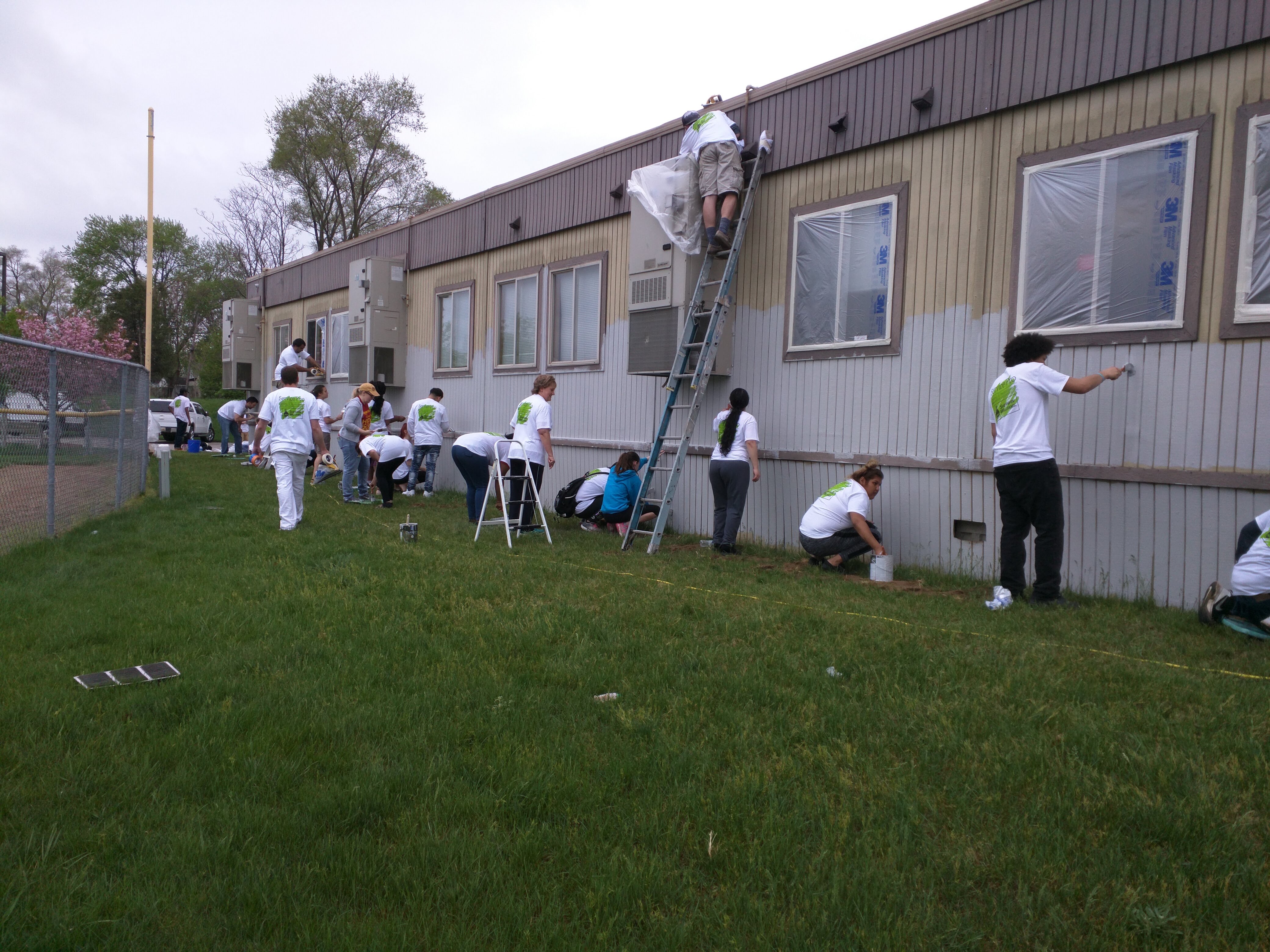
    Integrated projects can be logistically challenging and require a serious time commitment from teachers, a willingnesses to compromise, and dedication to work together. It takes flexibility of both teaching styles and curriculum scope and sequence to get content areas to “match.” Trust me though, it is so worth it. When I have worked on collaborative staffs we have had the best projects such as the Poverty Project or painting our school to leave a legacy for future generations.

    Collaboration takes patience, time, and effort, but the payoff is worth it! When teachers connect to local experts in the community they are modeling that they are learners too by seeking advice. By working with colleagues to design epic, integrated projects, teachers are modeling for students what successful groups look like. Collaboration is a key success skill needed in our modern world and we should demonstrate it often for students if we expect them to learn the skill for themselves!

    Links to the rest of the series on Ideal Traits of a PBL Teacher:

    1. Overview
    2. Student Centered
    3. Flexible
    4. Passionate
    5. Self efficacious
    6. Collaborative

    Questions? PBL Consulting?  I can be found at my blog michaelkaechele.com or @mikekaechele onTwitter.

  • Good Work Leads to More Work

    This is the fifth post in a series where I flesh out why the ideal traits of a PBL teacher are important. Check out the links to the rest of the series below the post.

    Self efficacious

    I am a believer in hard work. I always tell my students that “good work leads to more work.” They always groan the first time that I say it. But then I explain that when you work hard in what you love it leads to more and better opportunities to do what you love. Hard work is often what separates excellence from average.

    The Pareto Principle states that in most organizations 20% of the people do 80% of the work. Research has shown this to be true in many different situations and I have observed it in schools and projects that I have been a part of. I think that the self efficacious teachers who fall into the 20% category thrive in PBL environments.

    In recent years many teachers have done things outside of the classroom to enrich themselves and their students. Some teachers have started edcamps and other conferences. Others blog, tweet, or post to other social media sites about a myriad of education topics. Some teachers create and run Twitter chats, podcasts, write books, or present at conferences. All of these activities are above and beyond their teaching job, requiring extra time and effort. These actions usually don’t “count” for professional development hours. These activities represent both passion for education and indicate that the teachers are willing to put in the effort that PBL requires.

    Planning

    Authentic PBL projects don’t come in nicely wrapped lesson plans or textbooks with worksheets for every day. High quality PBL involves teachers either designing from scratch or customizing projects that they find. PBL front loads a lot of the planning for what students will be doing. This can seem overwhelming to teachers at first, but if they follow a structured process they discover it is similar to the planning that they already do. But self efficacious teachers are willing to commit to the initial planning because of the pay off of student engagement that comes through the PBL process.

    Community Partners

    Working on local issues with community partners requires teachers to reach out to local businesses and organizations. This is a huge shift from the “island mentality” of “I just shut my door and teach.” It also is a new skill for many teachers who may not know how to build a network of relationships with the business community.

    Teachers who have used blogging, Facebook, Twitter, and other social media sites to connect with other educators for personal growth often make an easier transition. They are probably more open to new ideas for their classrooms because of the examples that they have been exposed to online. These teachers have also developed some networking skills that help them when reaching out to their communities for partnerships and audience critiques of student work.

    Just say “no”

    Self efficacious teachers are not heroes who do everything. The best PBL teachers have learned to say no to things outside of their focus area. They do not volunteer for everything happening at school but target opportunities that support their visions and their students. They also say no to busy work. They don’t sit on committees that are irrelevant to learning. They don’t grade as many papers because they use self, peer, and community assessments. They would rather spend their time brainstorming the best projects for their students.

    When I think of teachers who are self efficacious, I see people who “make it happen.” They don’t make excuses or look for others to lead. They look for epic, meaningful projects and take them on for their students’ benefit. Their goals are not pride and achievement, but a humble lifting up of their kids to give them the amazing opportunities. Self efficacious teachers are also willing to fight as advocates for their students when they are being treated unfairly or not being given equal opportunities.

    Self efficacious teachers give the time and effort to make learning meaningful and relevant to every student in their class.

    Links to the rest of the series on Ideal Traits of a PBL Teacher:

    1. Overview
    2. Student Centered
    3. Flexible
    4. Passionate
    5. Self efficacious
    6. Collaborative

    Questions? PBL Consulting?  I can be found at my blog michaelkaechele.com or @mikekaechele onTwitter.