Tag: Social Emotional Learning

  • Unforgettable Endings to the Year

    Most schools are reaching the end of the year and have completed standardized testing. I see many teacher requests for movies to show in my Facebook feed. What if we ended the year with an open-ended project instead? It might be a culmination of your content themes for the year or it might just be tied to something authentic in the community. When students start getting antsy for summer, projects can motivate and finish the year strong. It’s a great time for students to demonstrate the SEL competencies that they have been developing all year. Here’s four examples from my classroom.

    World Simulation
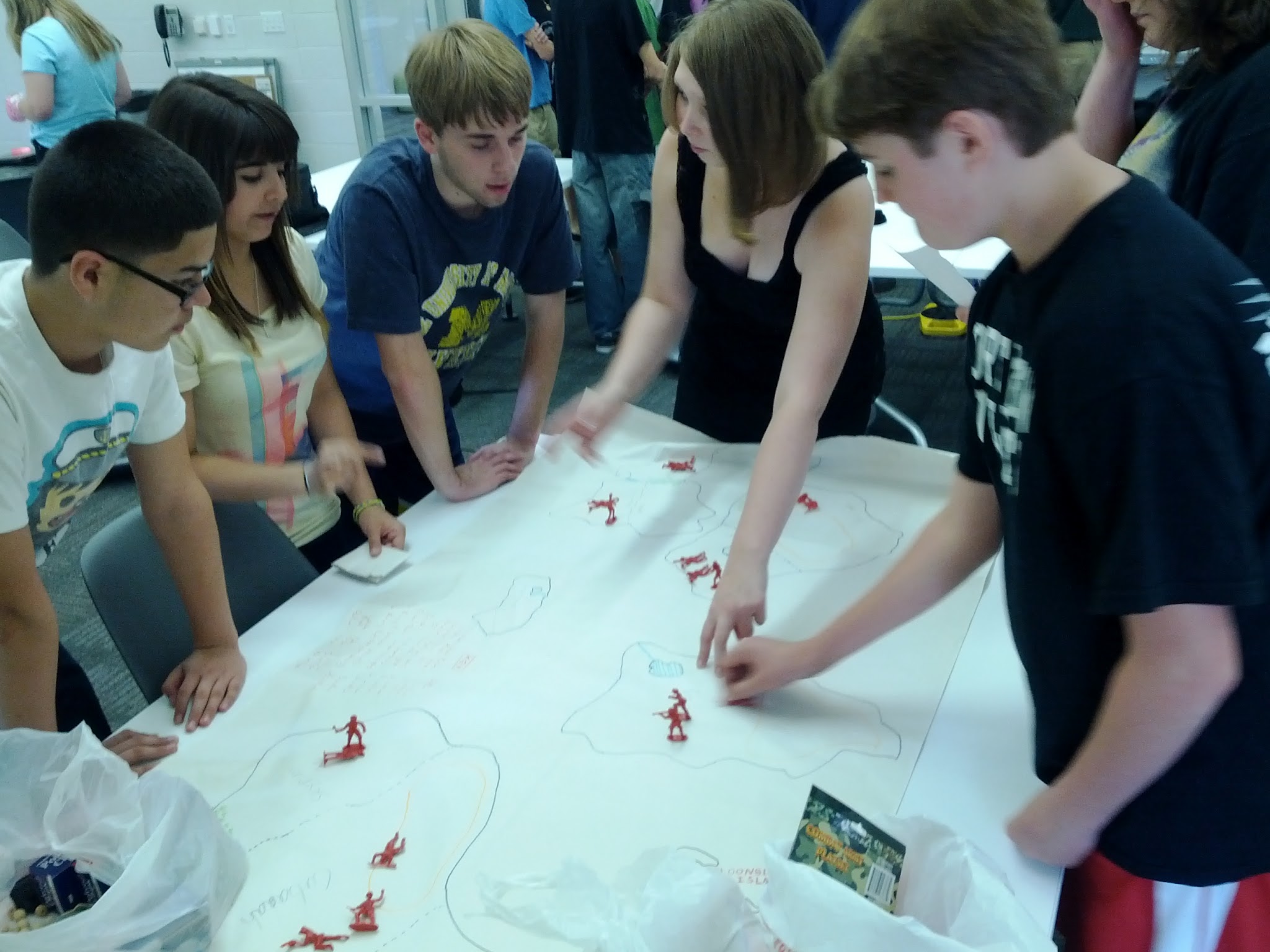
    At the conclusion of a freshman World History integrated with English class, we created a fictional world, putting students in different teams to tackle global issues. It was inspired by John Hunter’s Ted Talk (one of my all time favorites). The Driving Question was “How would you rule the world?” Each team was given a land mass to create their own country and laws. They had different natural resources and economic opportunities. Students loved it, and were able to apply the concepts of fairness, environmental stewardship, negotiation, and problem-solving.

    Hobby Day
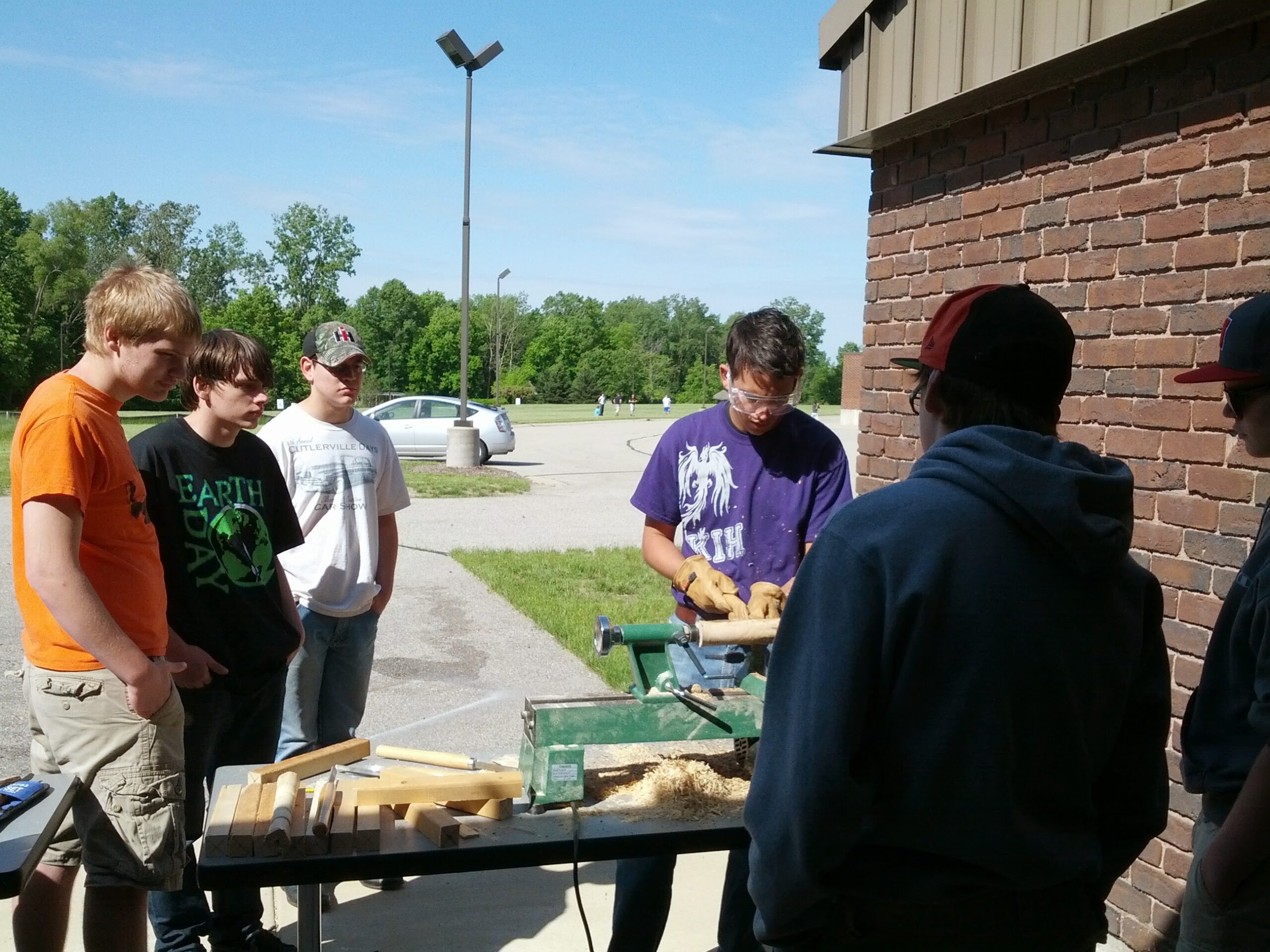
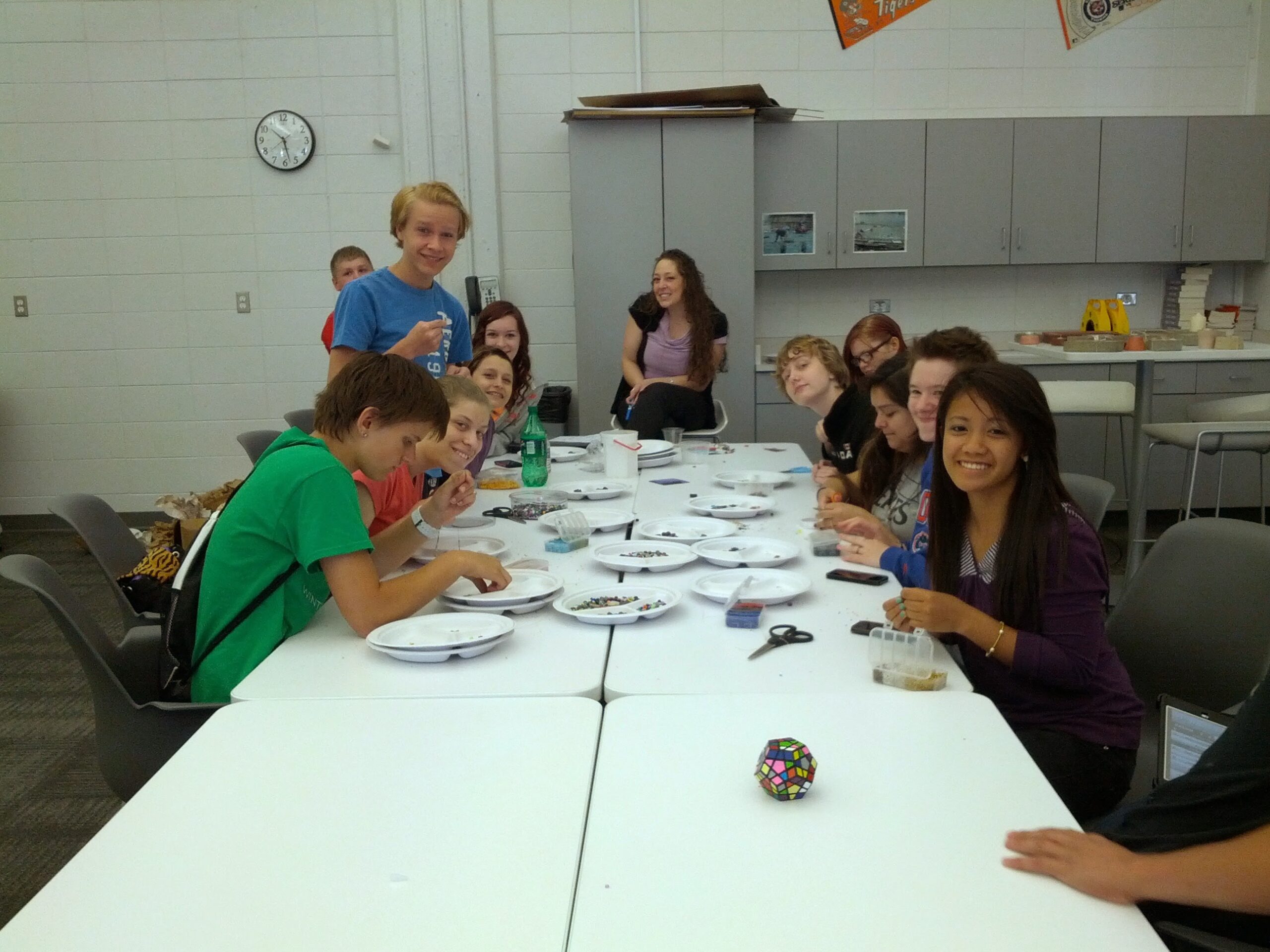
    At my PBL high school, we had a hobby day the last week of the year. All of the teachers would bring in tools and materials and lead a session on something that they are passionate about. Students could then choose which ones they were interested in. Options included things such as making root beer, jewelry, woodturning, scrapbooking, and outdoor hikes in the woods.
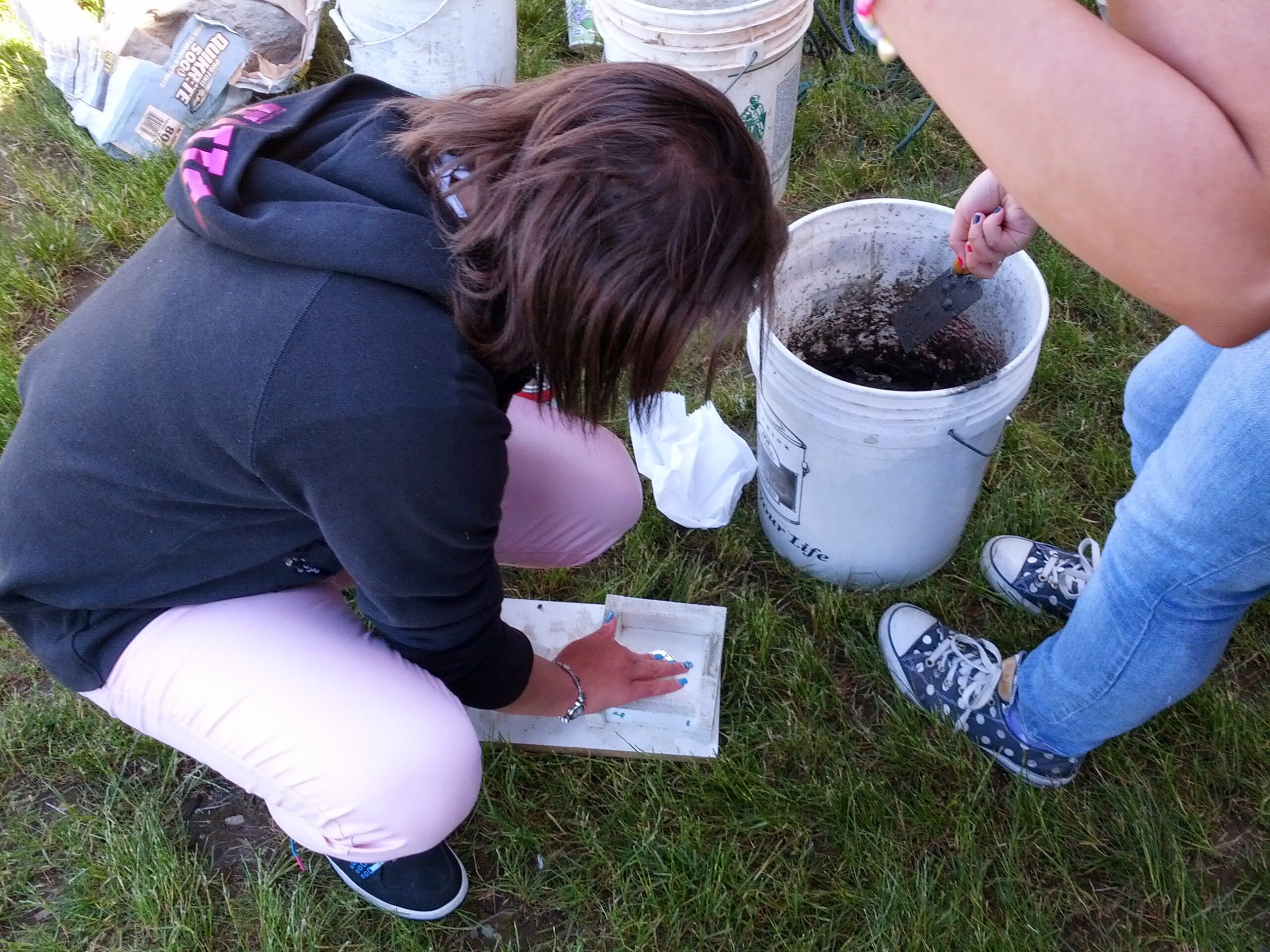
    I, of course, had students mix and form concrete to make tea light candleholders. It was so much fun making things with students and letting them into another side of who, we the teachers are.

    River City Redesign
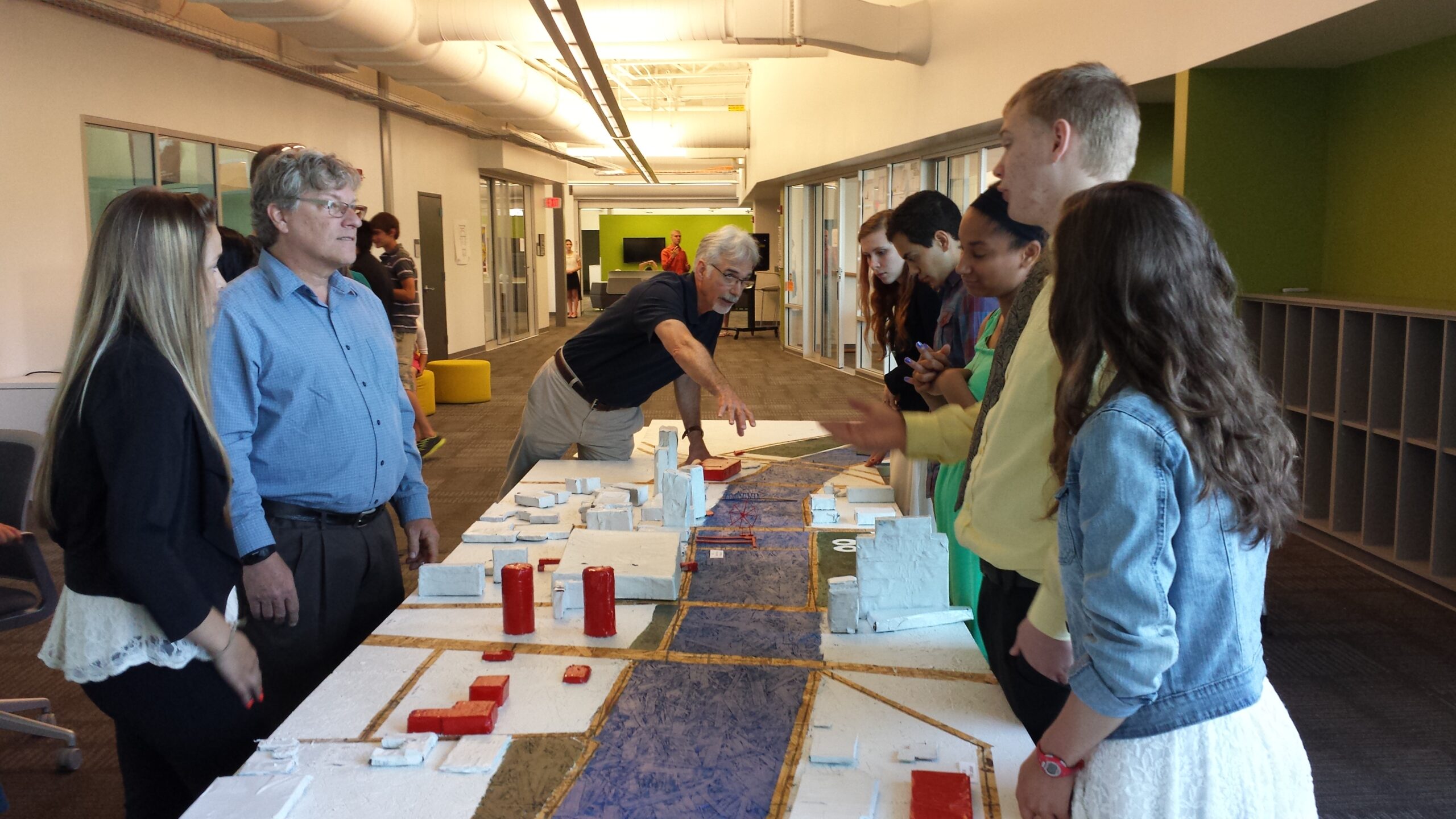
    The Water Project was undoubtedly, my favorite project ever! We integrated all sophomore classes into one massive project to end the year. The focus was to redesign the riverfront in downtown Grand Rapids based on the proposed plan to return the river to its natural state by removing and lowering dams. The Driving Question was “How can we as architects redesign the Grand River waterfront to promote ecological and economic growth for our city?” Students applied chemistry as they studied water quality, geometry in creating a 3D scaled plan, and social studies as they surveyed the community and plotted the best ideas for environmental sustainability and economic growth. We studied how rivers have been revitalized all over the country and world.

    During this project, students flexed their SEL skills. Leaders choose themselves and came up with new ideas and plans for the project. A marketing team was created by students excelling at public communications sharing the project with the community. Collaboration between teams was a challenge that students met by calling meetings and working out compromises and timelines. Students organized a compelling final showcase and successfully invited many community leaders. They problem-solved both the project and the problem at hand-making the city proud of its river-with creativity and passion.

    Legacy Project
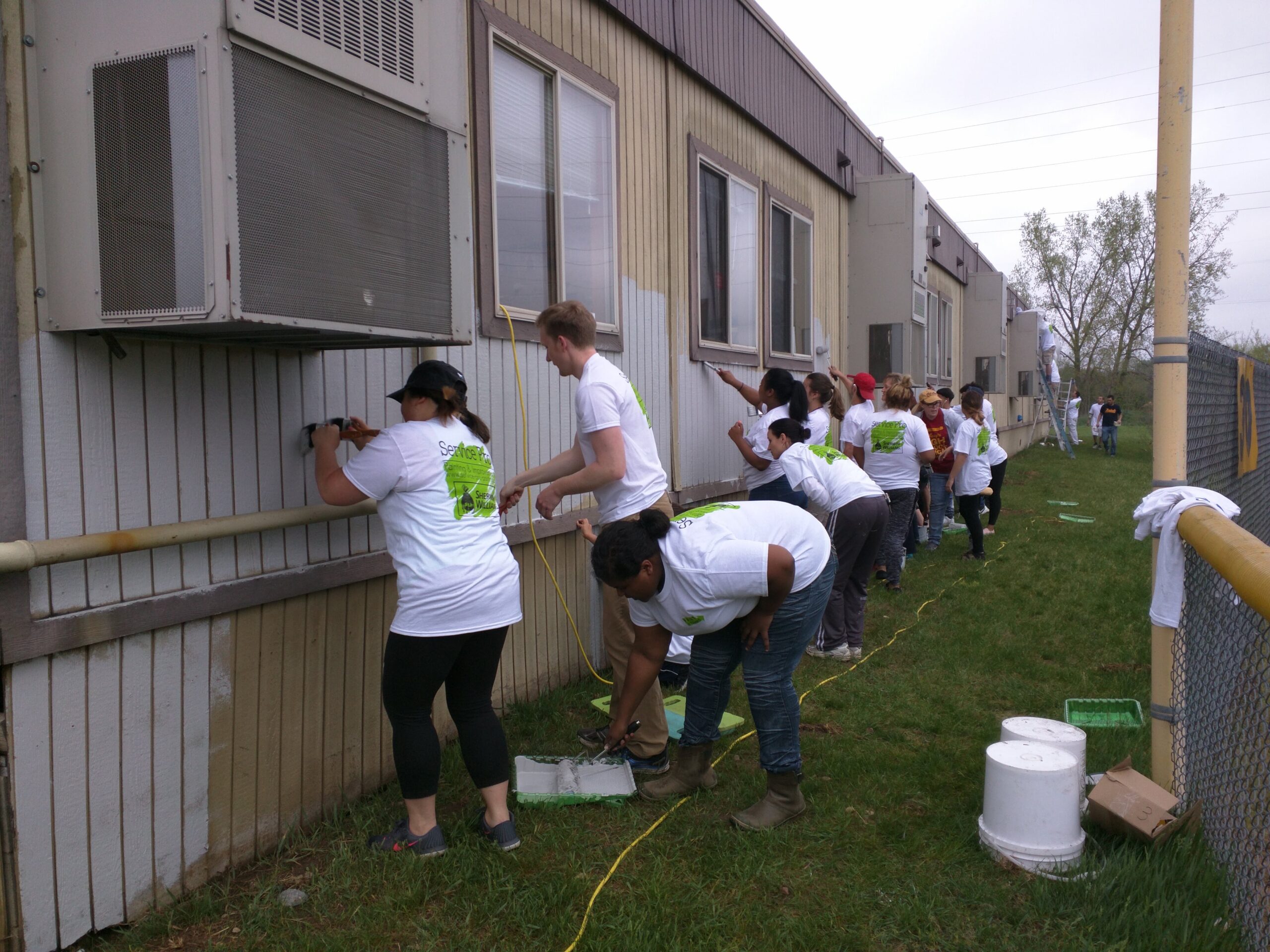
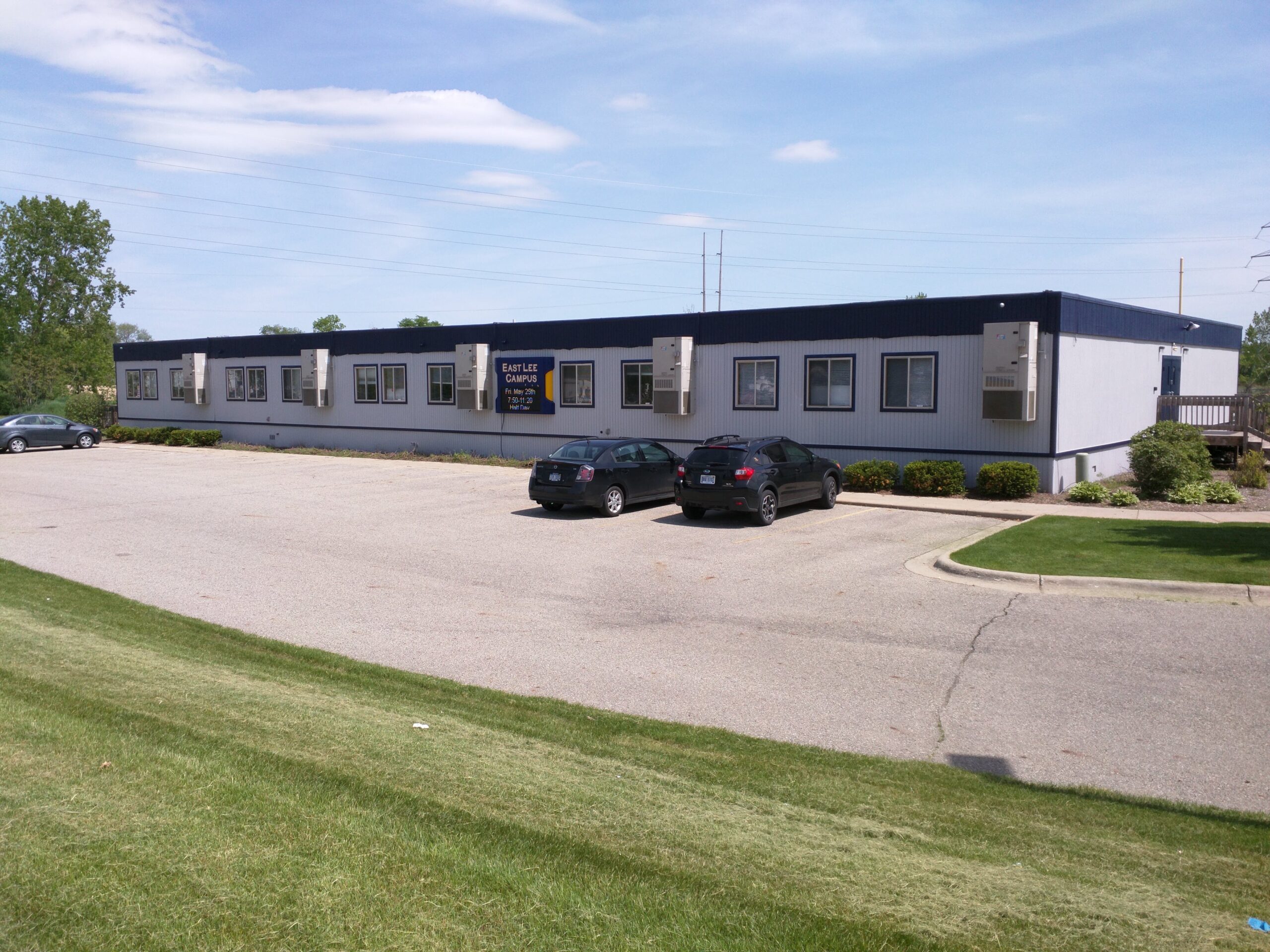
    Our school was a somewhat worn modular building that did not necessarily make students feel valued or important. We challenged all of our students to come up with a plan to improve our facilities. We asked them, “What will be my legacy at East Lee Campus?” Students brainstormed many ideas both inside and out. We found support from a local painter who donated labor, equipment, and some paint. A local bank who matched those funds and students were able to paint the outside of our building, remove a chainlink fence that made them feel like prisoners, and update the landscaping.
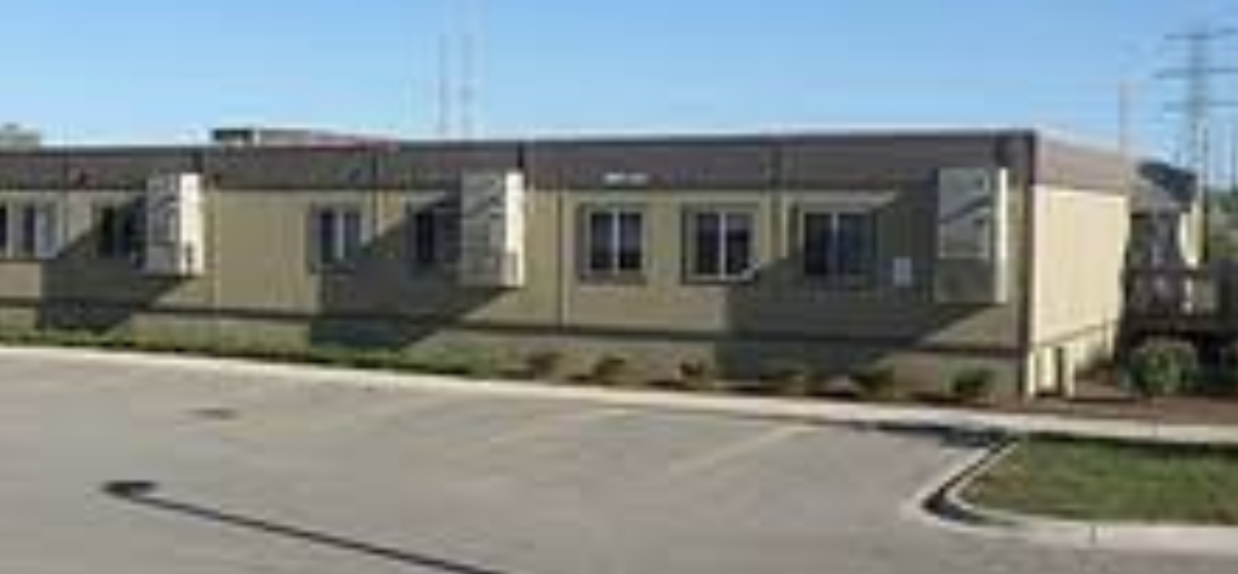
    Before and After

    The tests are over. The pressure is off, and the possibilities are endless. How could you end the school year with meaningful work that students will remember for the rest of their lives? What opportunities disguised as problems are in your community? How can your students flex their SEL strengths to make a difference?

    Interested in learning how you can develop SEL skills integrated in your classroom? Check out my virtual workshops this summer! I am also booking workshops with schools across the country on PBL and SEL.
  • We Need SEL Leaders, not Heroes

    Little Miss Flint

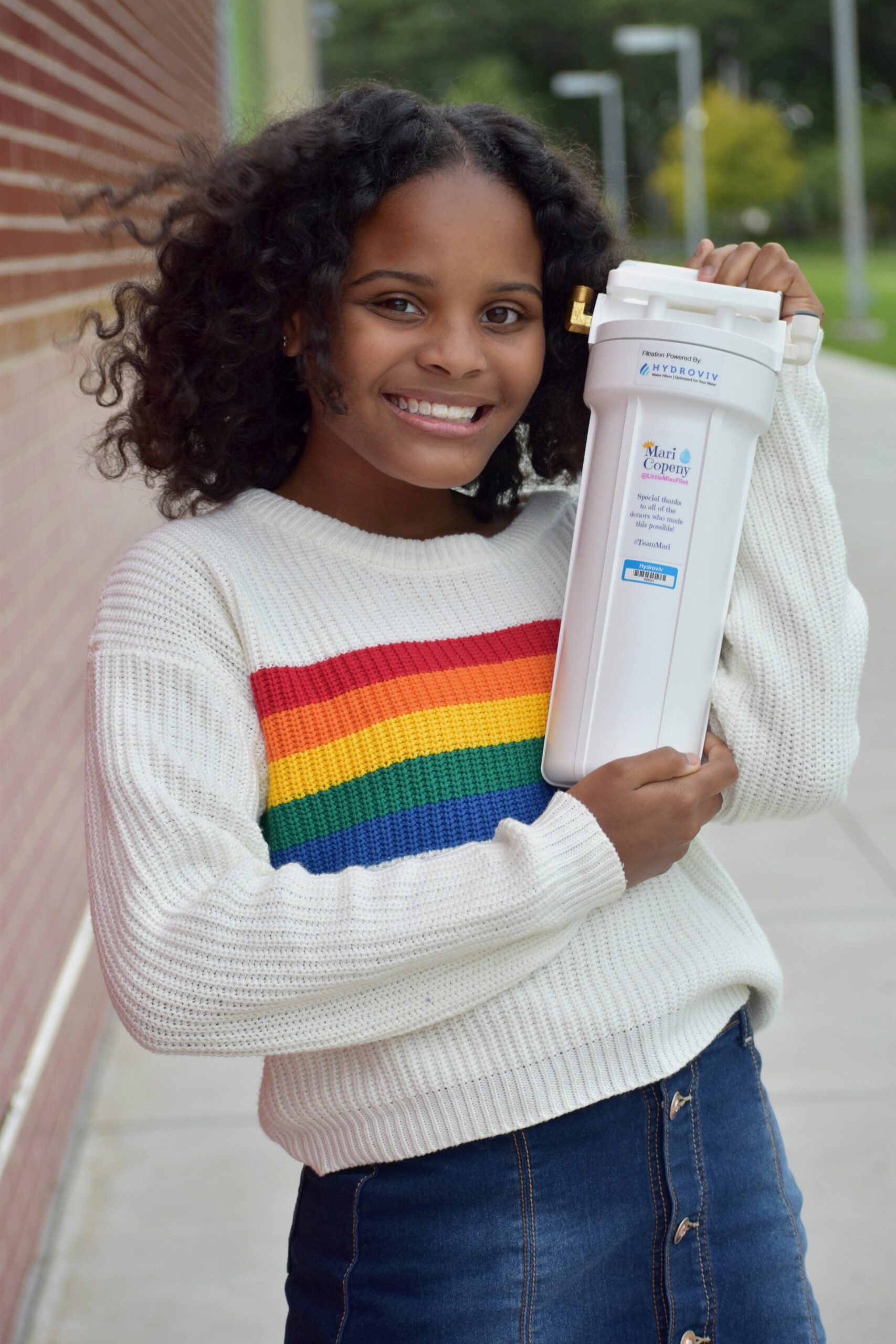
    This past Thursday was Earth Day and I came across two inspiring stories. The first was Mari Copeny, “Little Miss Flint” and “Future President.” Mari is 13 years old, but has been an advocate for clean water in Flint, Michigan and against environmental racism for years. Seriously go read her bio on the link to see a long list of accomplishments. Mari’s activism started when she wrote a letter to President Obama when she was eight years old. Five years later she continues to fight and expand her influence. Last week she reached a goal of raising over half a million dollars for water filters to be distributed across the country. She is an amazing kid with a motivating story!

    I have often contemplated what are the factors that lead to someone becoming Mari, Greta, or Malala. They often have strong family support to help them navigate traditional and social media to get their voice heard. They have compelling stories to share that connect their personal experience to global issues. Being young, they are powerful spokeswomen for their cause in ways that tug at people’s emotions. These girls exhibit so many of the competencies of Transformative SEL:

    • The confidence of Self-Awareness to speak their truth
    • Social Awareness of the injustice in their community and the structures that maintain it
    • Self-Management through setting goals and taking initiative to not only achieve significant change but inspire others
    • Networking, publicizing, and speaking with power demonstrating Relationship Skills
    • Leadership in demanding change, not lip service from adults in Responsible Decision-Making

    Leaders, not Heroes

    These girls are not just learning about inequity and injustice in the world around topics like race, gender, and the environment, but are taking significant action to make real changes. They exemplify what I like to say:

    We don’t need to prepare students for ‘someday.’ They can do meaningful work right NOW!

    But I think that there can be a danger with how our society portrays these girls and others like them. They are not heroes, but leaders. Too often they are portrayed as exceptional young people and it comes across as though they have magical powers; that they are special in ways that other children are not. I believe the most important factor in their success is not exclusive abilities but that these girls choose themselves to make a difference. They are willing to speak out and take action. To be clear, the misconception is not with them, but with how we regard them. We treat them as superkids, “othering” their accomplishments so that the children in front of us can’t see themselves making a difference. I think the message of educators needs to be that Mari and others like her with a large platform are not exceptional, but normal kids who choose action. Leaders choose themselves! And most importantly, we should tell our students that they have the power to take action too! It is vital that our students see themselves in young activists as models for their own decisions.

    Finding your Niche

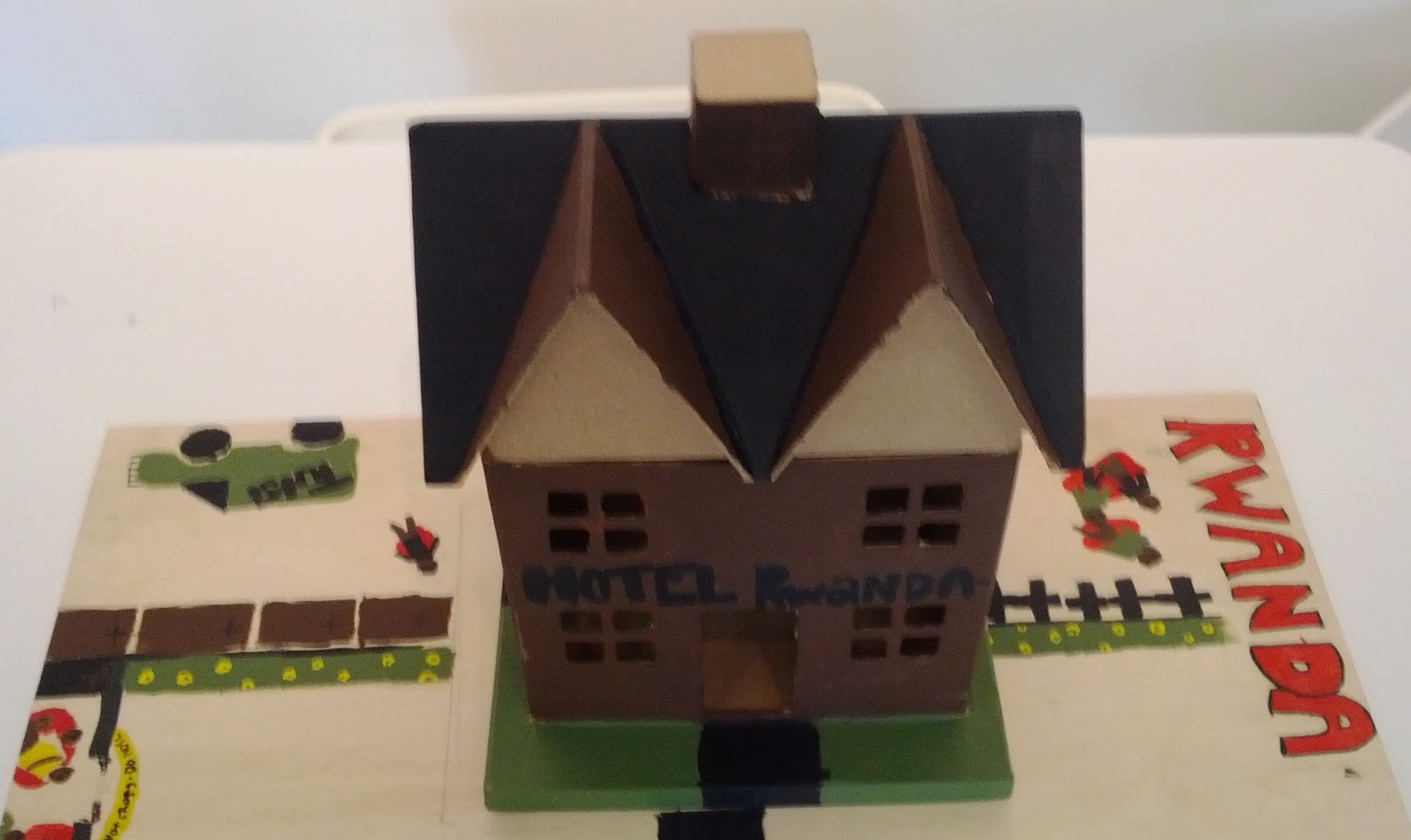
    The second inspiring story from last week comes from Sydnee Dawson, a former student of mine. I am reminded of two moments with Sydnee in my classroom. The first instance was during an essay assignment Sydnee had her head down on her table, not working at all. This was unusual behavior for her and after a short conversation, I realized that she doubted her ability to write and was giving up. I helped her get started, and she was fine to finish the assignment on her own. I remember this moment because she taught me how important giving encouragement can be to grow student confidence. The second moment was a project on propaganda. For her final piece Sydnee created a 3D representation of Hotel Rwanda. From the one side, it showed a respectable business that looked great to the outside world, but on the other side the violent genocide against the Hutu was happening. Sydnee recognized historical injustice and wanted to prevent it from happening again.

    Upon graduating, Sydnee worked as a waitress to pay for college. On the side, she started making health and beauty products in her apartment. She used basic jars and printed homemade labels, selling to family and friends. She had a poorly designed website, that was dark and uninviting. Truth be told, Sydnee didn’t know how to run a business. So she reached out to mentors and worked hard. She updated her logo and redesigned her website. She started making Facebook videos demonstrating how she makes her product. Today she has a successful small business and no longer needs to work other jobs. She even gets paid to design websites for other businesses.

    I know that Sydnee’s experience at our PBL school didn’t necessarily give her all of the tools that she needed to run a business. I doubt if she remembers all of the history that we investigated or that essay assignment at all. But I know that we cultivated her SEL skills to confidently persevere and find success. Sydnee practiced getting up in front of an audience and boldly pitching her ideas. She learned how to empathize with others through projects like her Hotel Rwanda propaganda art piece. She collaborated with other students from all kinds of backgrounds and learned how to compromise to complete projects.

    Serving the Community

    So last week Sydnee popped up on my Facebook feed with another project that she created. Previously she organized a large clothing drive for homeless folx and this past year she focused the drive on giving free clothes to young girls in her community. On this Earth Day, she hosted an event planting flowers at a local, Black owned business. She showed young children how to plant flowers and brought beauty and exposure to the business. You see, Sydnee is a leader who knows how to pay back. She may not be as famous as Mari, Greta, or Malala, but she consistently impacts Grand Rapids. Our students need to recognize that fame is not a prerequisite to making a difference. Fighting injustice is the responsibility of all citizens, young and old.

    Our students are ready to make a difference. Are we ready to give them opportunities in our class?

    From what I can see, these girls and many others like them are primarily advocating on their own time, outside of a traditional school day. Although Mari has started groups at her school in Flint, it feels extracurricular rather than part of the daily classroom. Why wouldn’t we as teachers harness this energy and passion to drive student learning in our class? What local issues around justice might your students study and advocate on? How are we developing Responsible Decision-Making skills, not just around personal behavior, but by making a meaningful impact on the community? How are we cultivating Social Awareness around the varied needs of those around us and how students can serve today?

    Interested in learning how you can develop SEL skills integrated in your classroom? Check out my virtual workshops this summer! I am also booking workshops with schools across the country on PBL and SEL.