Tag: pbl

  • Good Work Leads to More Work

    This is the fifth post in a series where I flesh out why the ideal traits of a PBL teacher are important. Check out the links to the rest of the series below the post.

    Self efficacious

    I am a believer in hard work. I always tell my students that “good work leads to more work.” They always groan the first time that I say it. But then I explain that when you work hard in what you love it leads to more and better opportunities to do what you love. Hard work is often what separates excellence from average.

    The Pareto Principle states that in most organizations 20% of the people do 80% of the work. Research has shown this to be true in many different situations and I have observed it in schools and projects that I have been a part of. I think that the self efficacious teachers who fall into the 20% category thrive in PBL environments.

    In recent years many teachers have done things outside of the classroom to enrich themselves and their students. Some teachers have started edcamps and other conferences. Others blog, tweet, or post to other social media sites about a myriad of education topics. Some teachers create and run Twitter chats, podcasts, write books, or present at conferences. All of these activities are above and beyond their teaching job, requiring extra time and effort. These actions usually don’t “count” for professional development hours. These activities represent both passion for education and indicate that the teachers are willing to put in the effort that PBL requires.

    Planning

    Authentic PBL projects don’t come in nicely wrapped lesson plans or textbooks with worksheets for every day. High quality PBL involves teachers either designing from scratch or customizing projects that they find. PBL front loads a lot of the planning for what students will be doing. This can seem overwhelming to teachers at first, but if they follow a structured process they discover it is similar to the planning that they already do. But self efficacious teachers are willing to commit to the initial planning because of the pay off of student engagement that comes through the PBL process.

    Community Partners

    Working on local issues with community partners requires teachers to reach out to local businesses and organizations. This is a huge shift from the “island mentality” of “I just shut my door and teach.” It also is a new skill for many teachers who may not know how to build a network of relationships with the business community.

    Teachers who have used blogging, Facebook, Twitter, and other social media sites to connect with other educators for personal growth often make an easier transition. They are probably more open to new ideas for their classrooms because of the examples that they have been exposed to online. These teachers have also developed some networking skills that help them when reaching out to their communities for partnerships and audience critiques of student work.

    Just say “no”

    Self efficacious teachers are not heroes who do everything. The best PBL teachers have learned to say no to things outside of their focus area. They do not volunteer for everything happening at school but target opportunities that support their visions and their students. They also say no to busy work. They don’t sit on committees that are irrelevant to learning. They don’t grade as many papers because they use self, peer, and community assessments. They would rather spend their time brainstorming the best projects for their students.

    When I think of teachers who are self efficacious, I see people who “make it happen.” They don’t make excuses or look for others to lead. They look for epic, meaningful projects and take them on for their students’ benefit. Their goals are not pride and achievement, but a humble lifting up of their kids to give them the amazing opportunities. Self efficacious teachers are also willing to fight as advocates for their students when they are being treated unfairly or not being given equal opportunities.

    Self efficacious teachers give the time and effort to make learning meaningful and relevant to every student in their class.

    Links to the rest of the series on Ideal Traits of a PBL Teacher:

    1. Overview
    2. Student Centered
    3. Flexible
    4. Passionate
    5. Self efficacious
    6. Collaborative

    Questions? PBL Consulting?  I can be found at my blog michaelkaechele.com or @mikekaechele onTwitter.
  • Passionate PBL

    This is the fourth post in a series where I flesh out why the ideal traits of a PBL teacher are important. Check out the links to the rest of the series below the post.

    Passionate

    It’s cliche, but of course most teachers are passionate about their students and their content area. Teachers that I have seen that are most comfortable shifting to a PBL framework are passionate about things outside of the classroom too. They have hobbies that they love or things that they geek out about. It may be music, coding, knitting, martial arts, or blacksmithing.

    It really doesn’t matter what they are passionate about. The important thing is that these teachers proudly share their passions with students modeling excitement about learning!

    My Obsession

    I was a concrete finisher for twenty years before I was a teacher. My students thought that I was obsessed with concrete, and I guess that compared to a “normal” person I am. They would troll me in class by calling it “cement” just to hear my lecture on how that was an inaccurate term. Seriously if we had a new student, they would tell her to ask me a question about cement.  (You can learn the difference between concrete and cement with Clarence in the video above). Once I even wrote a poem about concrete.

    But the truth is that I exaggerated my love of concrete for important reasons!

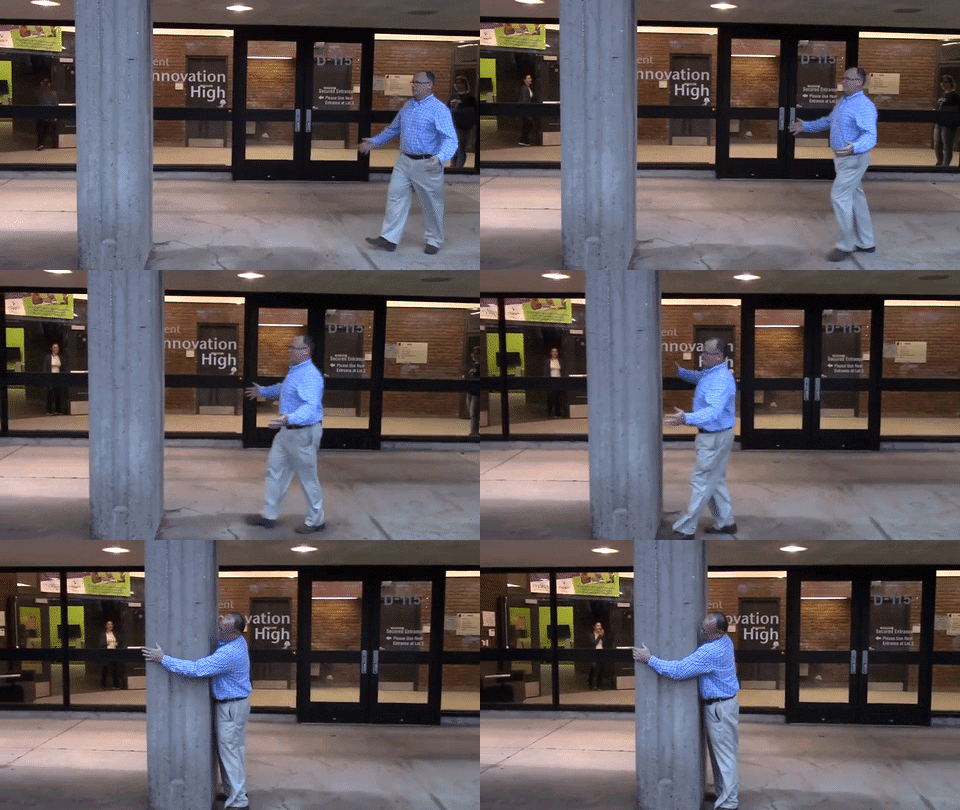
    It all started my first year at our PBL school. The district had remodeled part of the Career Tech Center into an amazing space for us. It had these exposed concrete columns (see GIF above) that were beautiful. The exterior ones were left natural, but the interior ones were painted.

    One class I started randomly lamenting that the district had painted the columns and that it is NEVER ok to paint concrete! Students thought it was hilarious and kept asking me questions about concrete. They even started tweeting out about it. Of course they were egging me on, down a classic teacher rabbit trail.

    At first I kept talking about concrete because students thought it was funny. It became an inside joke for me to go off in great detail on how great concrete is and its scientific properties. The truth is, that I didn’t really care about concrete as much as they thought I did.

    But then I realized something deeper was happening and that’s why I never let the topic die, but talked about my concrete obsession even more.

    My passion for concrete is weird. I mean really weird. No one cares about what sidewalks are made of. I bet you don’t have a pile of coffee table books on concrete at your house. But by me proudly sharing my weirdness, it gave unofficial permission for students to share their weirdness too.

    Students could share about anime, playing the accordion, cosplay, or Dr. Who. My students had unique, weird passions and it became cool to talk about them. Our classroom was a safe place, where everyone could be themselves and be accepted. My public display of affection for concrete created a positive classroom culture.

    Project Design

    I had a couple of students whose entire lives focused on being woodsman. They would be “off task” in my history class because they were reading college level botany texts and watching YouTube videos on wilderness survival. One of them built a wigwam at his house.

    Using PBL, I was able to integrate their passion into our class. I had them focus their research on Native Americans viewpoints throughout history. They loved the Revolution Garden project where we looked at the harmful results of Industrialization.

    Teachers can use the PBL framework to engage kids by tying projects to student passions or integrating their passions into projects. Student passions could be a focus for research in a project like my woodsman students. The rest of the class benefits from the deep, passionate research about topics that they would probably never choose themselves.

    Student passions could also be used to create a final product. I once had a girl who decorated a cake for her final product. It was full of imagery and symbolism. Students’ talents that are often ignored in school, can shine through projects. Examples of skills that I have seen from students include video shooting and editing, graphic design, coding, public speaking, dance, carpentry, sewing, and anime. I have watched students find a career path through skills that they have discovered and developed through projects.

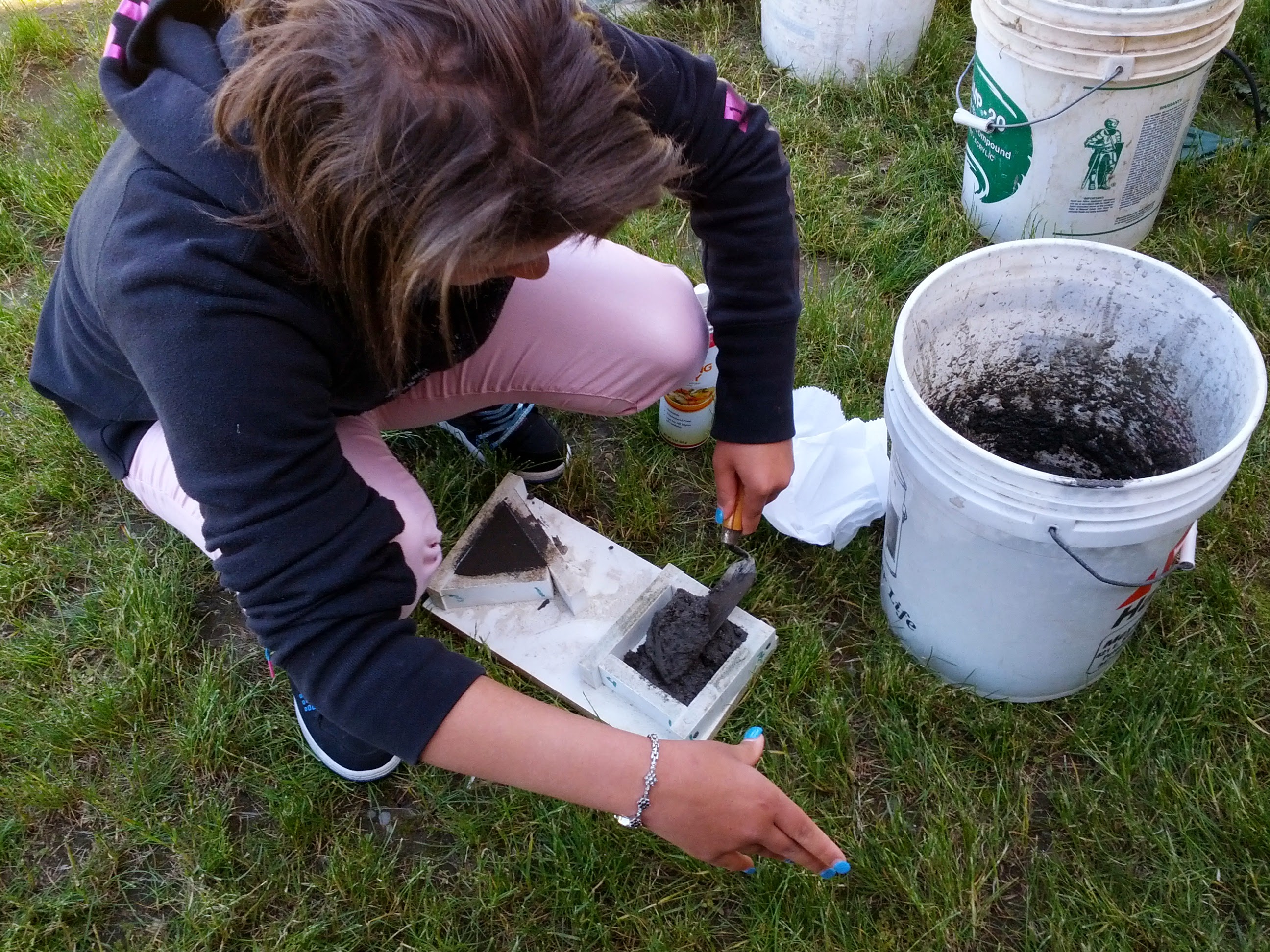
    For a passion project at the end of the year, I taught students how to make concrete candleholders.

    The passionate teacher can connect with students in multiple ways. By recognizing students’ passions in project design, teachers can build relationships with students and engage more students in their class and their content. Besides teacher passions show both are humanity and excitement about living.

    Links to the rest of the series on Ideal Traits of a PBL Teacher:

    1. Overview
    2. Student Centered
    3. Flexible
    4. Passionate
    5. Self efficacious
    6. Collaborative

    Questions? PBL Consulting?  I can be found at my blog michaelkaechele.com or @mikekaechele onTwitter.