In my math class I feel I did a good job teaching some student the content, but many students in class learned more from each other than from me.
Many students do not learn math well from large group instruction of examples on the board. They thrive with individual attention. But I can not sit down individually with 25 students for an extended amount of time. This was frustrating for students and myself.
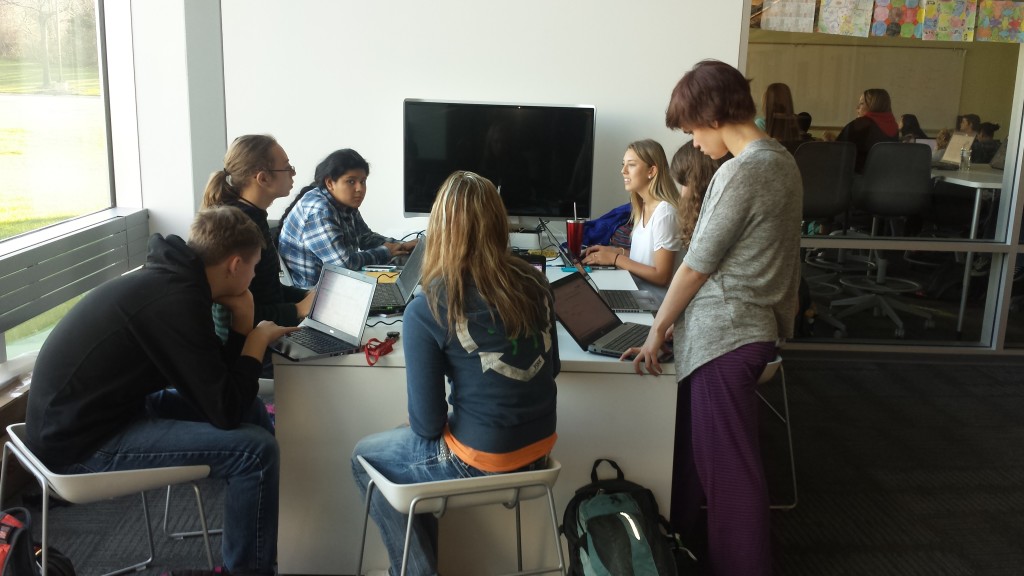
The solution came as I encouraged students to work on practice problems together. From this collaboration, stronger students started helping ones who struggled and needed more attention. I could do large group examples and my strongest students would “get it.” They would then work in groups and help others. This gave the “teaching” students confidence and the “learning” students the attention that they needed. I saw a dramatic increase in the quality of work on assessments.
The other “technique” that I use in math class is that whenever I give practice problems I also give students the answer key. The reason that I do this is so that students can check their own work. By having the answers students will not do a whole bunch of problems wrong and learn bad habits. If students get a problem incorrect they can “reverse engineer” how to do the problem correctly from the answer. This can lead to deep understandings. Students can’t cheat by copying the answers from a friend because they all have the answers and I don’t grade the practice problems. The motivation to do the problems comes from a clear understanding that the problems represent the coming assessment.
I then can work the room and help the students who self assess that they don’t know what they are doing. Students either gain confidence as they check their work and see correct answers or get immediate feedback that they are incorrect and can ask for help from their classmates or me.
Sometimes the students need less of listening to us and more of working together to solve problems on their own. We need to step in and coach as necessary, but also encourage students to develop their own number sense and be able to solve problems themselves.