I haven’t played around with the new AI program ChatGPT myself yet, but I have seen results posted from others such as here and here. I appreciate the tension around students using these type of programs to cheat, but students have always cheated. I have had former students tell me post graduation that they wrote all of the papers for another kid in the class. The answer keys to most textbooks can be found online through a simple search. The truth is that we have never been able to detect and stop all cheating and never will.
My first impression of ChatGPT is that the AI responses are a bit robotic and stale (I understand that the technology will only improve). The writing seems formulaic and dull without any personality. It lacks the voice of quality writing and storytelling. Yet the style also felt strangely familiar.
Where have I seen this type of bland writing before?
School textbooks!
Outside of novels in ELA, the majority of student reading in other content areas lies in poorly written textbooks. History books that are sterilized so as not to offend anyone, amounting to boring accounts of one-sided facts. Science content without inquiry to peak excitement in the learning. “Real world” math problems with ridiculous contexts that no one outside of school would ever use.
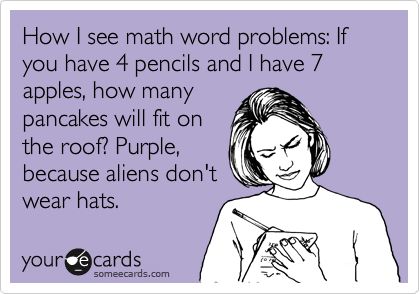
Typical textbook assignments reward plagiarizing. Copy down word for word from the key sentence in the reading to receive credit. Why are we surprised when students copy and paste from the internet? Solve the math problem by following the algorithm step by step. The ultimate twist for me is that school districts pay so much money for these poorly written resources.
I know that most teachers go beyond their assigned textbooks to bring their classes to life. What if teachers didn’t have to go to Teachers Pay Teachers or create all of their own content to find creative ways to teach? For me personally, I am getting burned out researching to find good ideas.
What if textbooks were a collection of the best resources around a topic in an engaging format compatible with Project Based Learning?
Each unit could have a driving question and suggest possible audiences. History books would be full of primary sources, both written and visuals, for students to analyze. Science textbooks would be a series of experiments for students to evaluate the concepts as they learn them. Math would be investigations to play with abstract concepts. All of them would use more of a personal narrative style than the formal stating of facts like an encyclopedia.
Or maybe ChatGPT could just write new textbooks for us in 5 minutes saving schools thousands of dollars while getting the same quality of meh.
The heart of cheating of any kind is the same as the issues with textbooks. When an assignment is boring and irrelevant, student only want the grade and do not care about learning the content. It’s a points game and who cares how they get them. If we want deeper learning then we have to provide better assignments, resources, and curriculum.
I would suggest that the remedy to cheating is the same as for poor quality textbooks. Challenge students with an engaging problem in your community. Using a Project Based Learning format, structure your content so that it is personal to students. Make learning something that kids want to do rather than have to do. When they are doing actual work for a client or community group they will be motivated to learn and perform at their highest levels. The delightful magic at the end of the project is watching your students confidently explain their learning to others. As students make a difference their self-belief grows and they become adaptive, willing to take on new challenges.
Learn with me!
If you are interested in how your school can develop high quality projects in a PBL framework, I would love to have a conversation on how I can help. I have limited availability for PBL & SEL workshops during the school year so contact me early. Check out my workshop page or drop me an email at mikejkaechele@gmail.com. I would love to chat and co-plan meaningful PD for the educators at your school.
Pulse of PBL