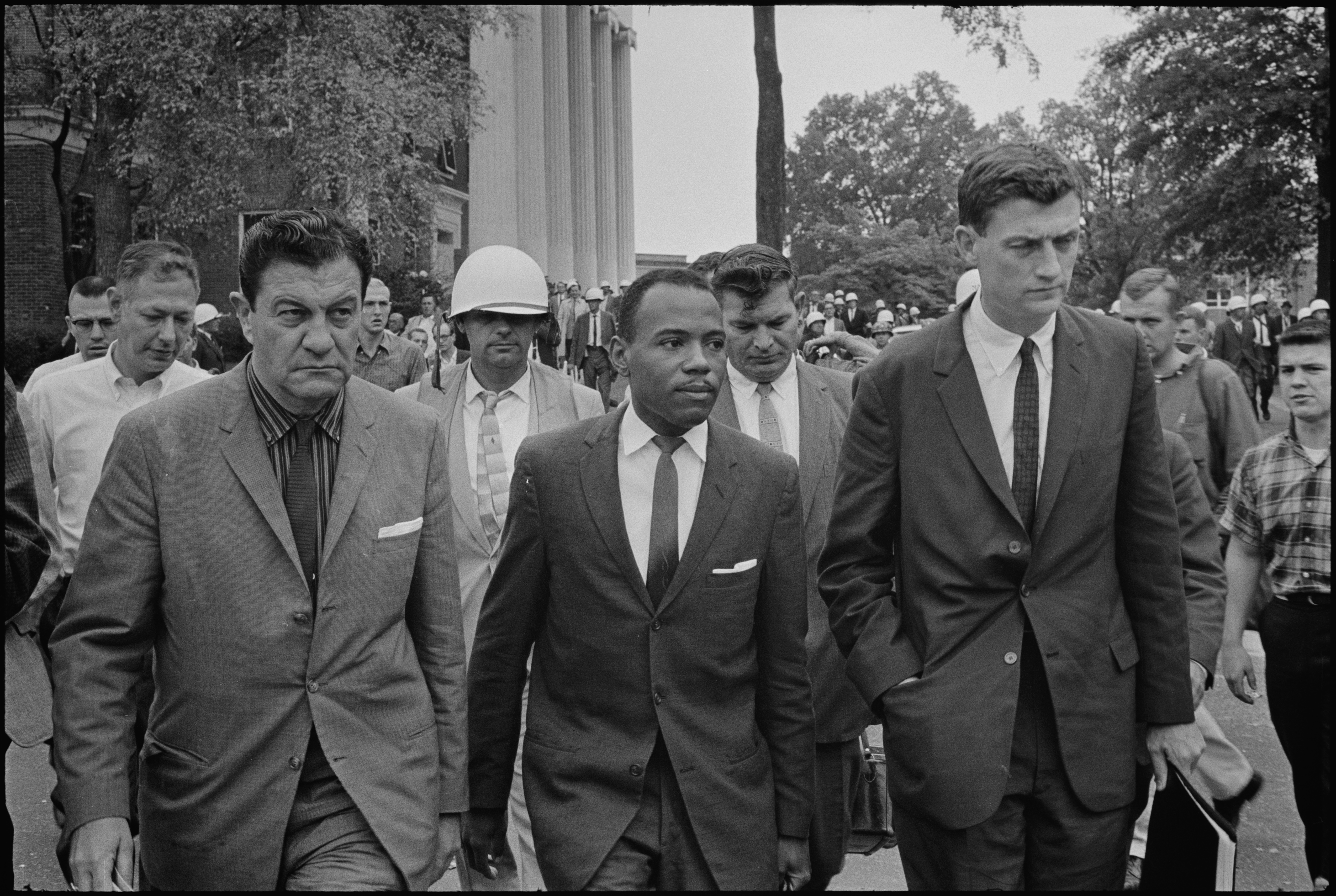
What drives me crazy about conversations about the achievement gap between minorities and whites is that we don’t talk about the causes. Before we get to solutions we should look to why the achievement gap exists. The thing is, that conversation is uncomfortable. I see three main historical reasons that are intertwined racism, poverty, and segregation.
Everyone knows that during the Jim Crow era, blacks were forced into separate schools that were inferior in every way to white schools: resources, buildings, money, teacher training, etc. Segregated schools were definitely not equal and put blacks at huge disadvantages. Segregated schools contributed to huge income gaps (along with institutional racism such as redlined housing and unfair hiring practices). So today we have a legacy where many blacks live in poverty and still attend defacto segregated schools in urban areas due to white flight to either the suburbs or private schools.
So how should we proceed based on these historical causes of the achievement gap? Well there actually is evidence (and here) of some successful ideas to close the achievement gap through integrating schools by busing minority students to white suburb schools or other ways of desegregation. Unfortunately there is about ZERO support for this type of program. Why? Partly because of the costs of the busing, but mostly the vocal complaints of white parents who don’t like it.
Researchers know that integration leads to all kinds of positive effects for blacks and also does not “harm” white achievement (I would add that it would have many benefits for white students being more understanding and empathetic of blacks).
The other thing that we could do as a society is address the wealth gap and actually do something to help people make a living wage and get out of poverty as we know that socio-economic status is the most important factor in measuring student achievement. Of course, blacks are disproportionately poor due to the same historical factors of segregation and discrimination.
Why don’t we address integration of schools and poverty? Well for one they would require the government to actually do something and many whites would oppose these actions with thinly veiled racism. These problems are outside of the control of local school districts and would require state or federal involvement.
If we really want to leave No Child Left Behind, we could start by fixing the causes of the achievement gap instead of blaming urban schools, teachers, students, and their parents. Instead we punish failing schools and closing them we could integrate schools and address the problem of poverty.