As some of you know this is my first year teaching math. I am currently teaching one section of 6th grade math. The rest of my assignment is 6th, 7th, and 8th grade technology which I have taught for six years. This new math class is the source of my focus on grades and grading. In my district we have standards-based report cards and in math we have district tests for our required assessments. For this post I will focus on my technology class and assessment (I will save math for the next post).
My Technology class flies under the radar. We have standards that reflect what the class was like five years ago but not what it is today. I and my fellow middle school technology teachers use project-based learning and computers to challenge kids with fun and relevant learning. I truly have more freedom than almost any other teacher in my district to teach whatever I want however I want. I am accountable to my principals who are happy to see children “doing” creative things. We build pop bottle rockets, balsa towers, hot air balloons, pneumatic devices, and egg drop vehicles. We use Lego Robotics and some math software games. Starting last year students blogged and use Google Docs. This year we are using programs such as Google Sketchup, Pivot, and Scratch.

I grade of course in Technology because I have to but my grades are either a rubric of checklists or once in a while based on reaching certain levels. So many of my grades reflect effort of students to complete the projects rather than measure learning. I am ok with that I guess.
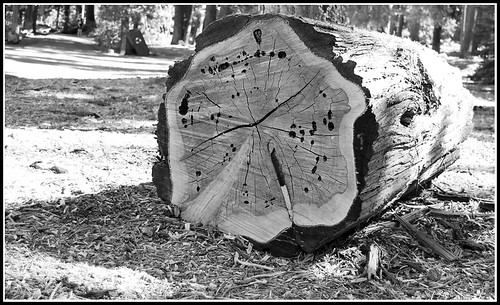
For example some excellent students attempted some unique balsa tower designs (the picture is one of them) that totally failed when tested. By the way, most of the class voted their towers to be the strongest before we broke them. They did not receive an A but I would argue that they learned and taught the rest of the class more about good design that anyone else. Why, because they took a creative risk and tried something the rest of the class was unwilling to do. We do not have time or $ for materials to have students build multiple towers to improve their designs which would be the best way to show their level of learning.
Even more difficult for me was when my students made their own Pivots, Sketchup, and Scratch program. We created rubrics together as a class and then I made a grading form in Google that the students embedded on their blogs.
How does one grade creativity? What makes my opinion more valid than anyone else’s?
Therefore I was just going to count the students’ assessments of each other. This did not work out as planned as too many of them did not grade each others’ projects because some were completed late and some did not take the rating seriously. Basically I question the whole point of this grading as a waste of my time.
My ideal system would be to share these tools and projects with students and have them complete them as creatively as possible to the best of their ability. Their “reward” would be the learning that they experienced as a class. Would they all learn the same things or even the same amount? No, just like now they would learn based on the amount of thought and effort they put into their work. If they slacked off then they would learn less; if they worked hard then they would learn more.
I really don’t know how I can accurately measure their actual learning anyway. Grading feels like a game to me and some of the greatest projects like this and this happened for no grade or extra credit. I fail to see how the “grades” that I assign to them contribute to their learning experience and oftentimes do not adequately reflect their actual learning. I also know that grades do not motivate my at risk kids at all, and they motivate the “top” students just to perform for me not to actually learn.
The ultimate thing that matters to me is that students are challenged, given a chance to be creative, and explore in a hands-on way math, science, and technology. The rewards are internal for the students who give their best. Those who just go through the motions miss out no matter what their report card says.
Next post I will explain the conflict I feel comparing this class and grading to my math class.