
Hampter
Creating classroom culture is a skill and my teaching “neighbor” (our classrooms share a door) Jen Haisma is a master at it. Every year something weird just kind of happens in her ELA or social studies class and she runs with it! One year students started coloring sketches of shoes and pasting them everywhere. Another year each class hid a silly toy dog from the other hours and as students came into the room they would find it each day.
Earlier this year a student was sharing a journal response in ELA that included a picture of a Hampter in it. Hampter refers to the internet meme from 2020. Jen responded that she didn’t understand how Hampter was still around and mentioned that she thought it was creepy.
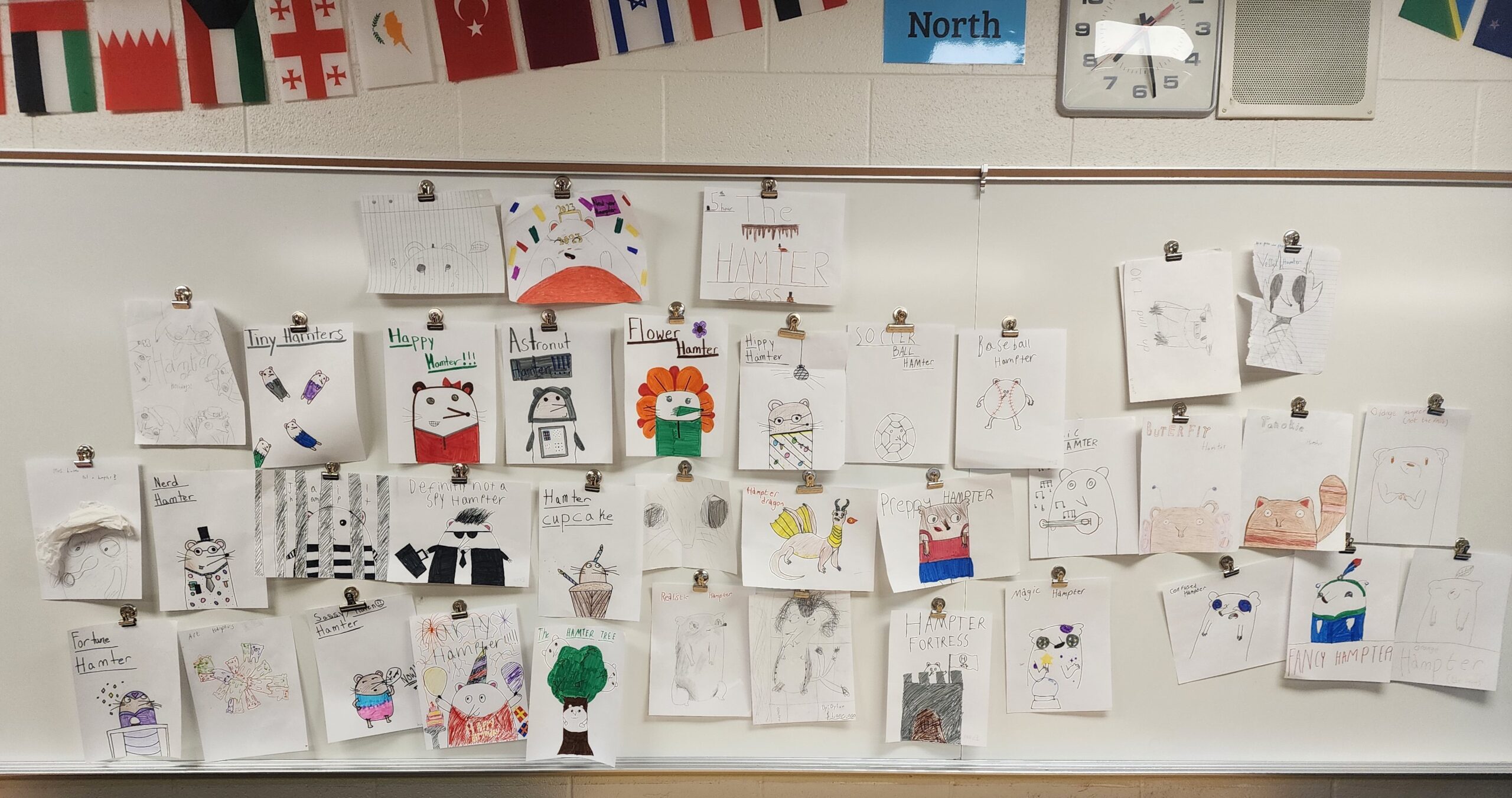
And that was all it took. Students in her 5th hour began to draw customized Hampters and hang them on the wall. Students from her other hours soon joined into the Hampter party. Pretty soon her classroom looked like this:
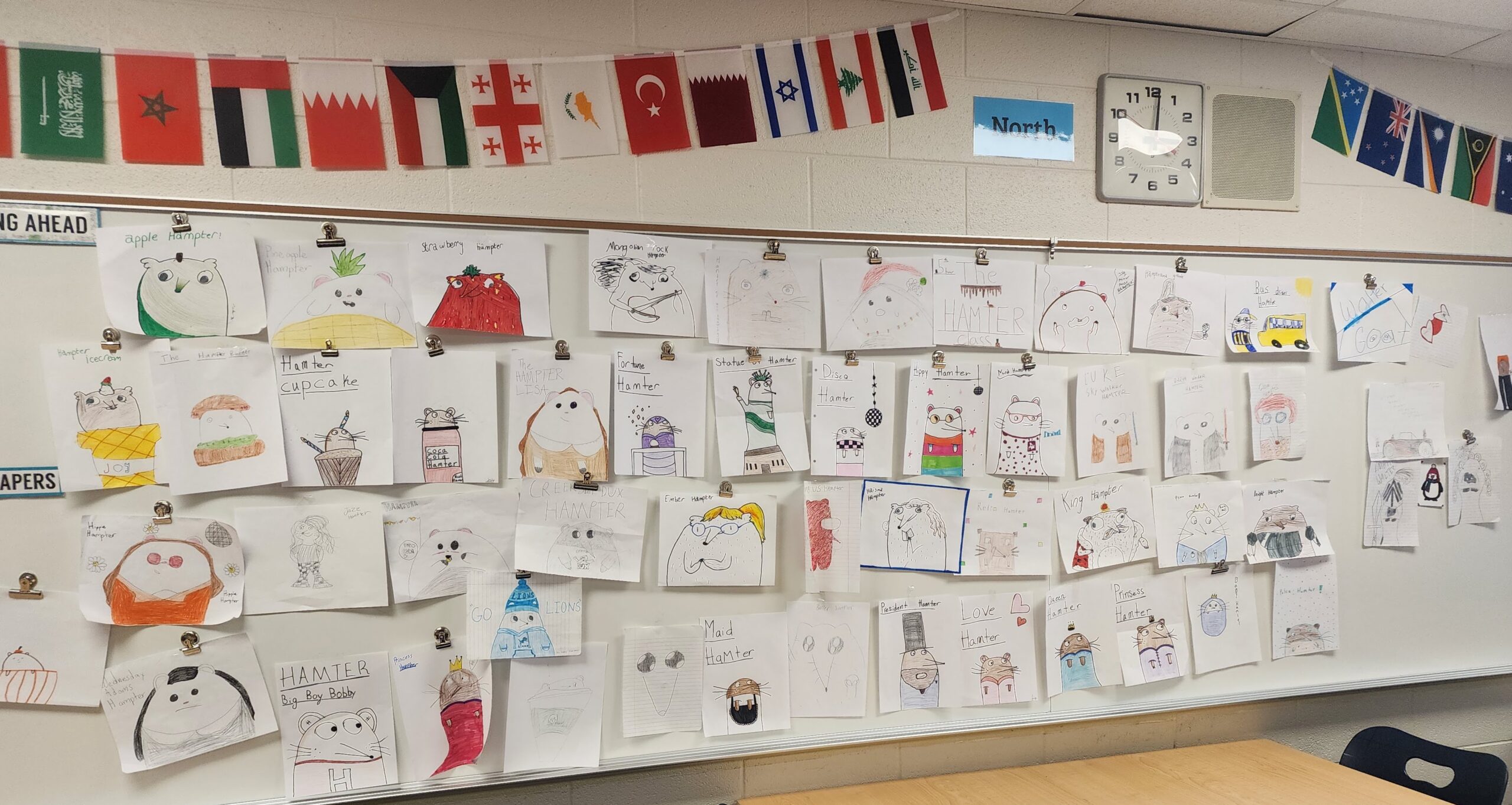
This past week Jen told me that she had to take them all down and hang up new ones because she was running out of wall space.
“Apparently, my classes this year like to torment me,” Jen jokingly told me.
Community
While this may seem like a silly story on the surface, two important things have happened. First, this has built a classroom community. Students continue to create new Hampters even weeks after this started. It is a fun, cohesive action that connects kids to Jen and to each other.
If you are going to survive as a middle school teacher, you had better be willing to embrace a bit of craziness. Kids’ minds and bodies are going through so many changes as they start to transition from childhood to adulthood. They need educators to accept some goofiness from them. It creates an atmosphere of safety and belonging. And I am all about the power of creating classroom rituals.
While drawing Hampters was seemingly a spontaneous action from the students, it is important to point out Jen’s role in this. She hung up the pictures. She feigned disgust at them. She was passively encouraging the drawings and loving every minute of it. Of course, she could have shut it down and said, “All right folks, it’s time to focus on ELA,” but she didn’t. Teachers can find unique moments like this to connect with their students and grow their classroom culture.
I guarantee that these kids will remember Hampters when they think of Ms. Haisma for the rest of their life.
Content
Secondly, hidden in the silliness of these drawings are connections to Jen’s content. Naturally many of the Hampters are about things that students care about such as local sports teams.
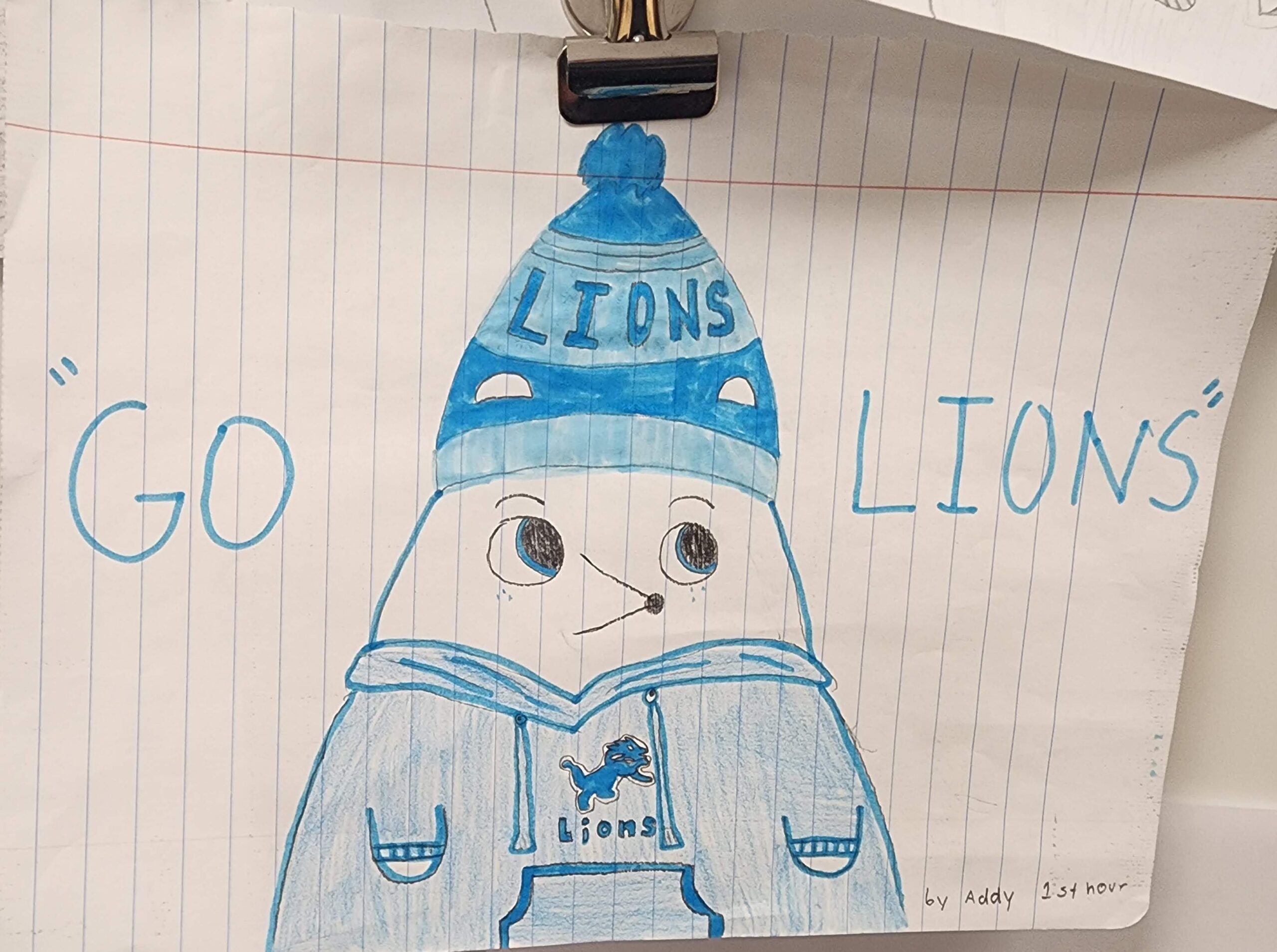
But students are also connecting the Hampters to the content that they are learning in class. Jen said that students continue to write Hampter references in their journals. One girl includes them every day. Other students try to find sly ways to slide in Hampter mentions.
Another connection to content is that some of the Hampters are themed on things learned in social studies. After listening to the Mongolian rock band Hu in class. This Hampter appeared:
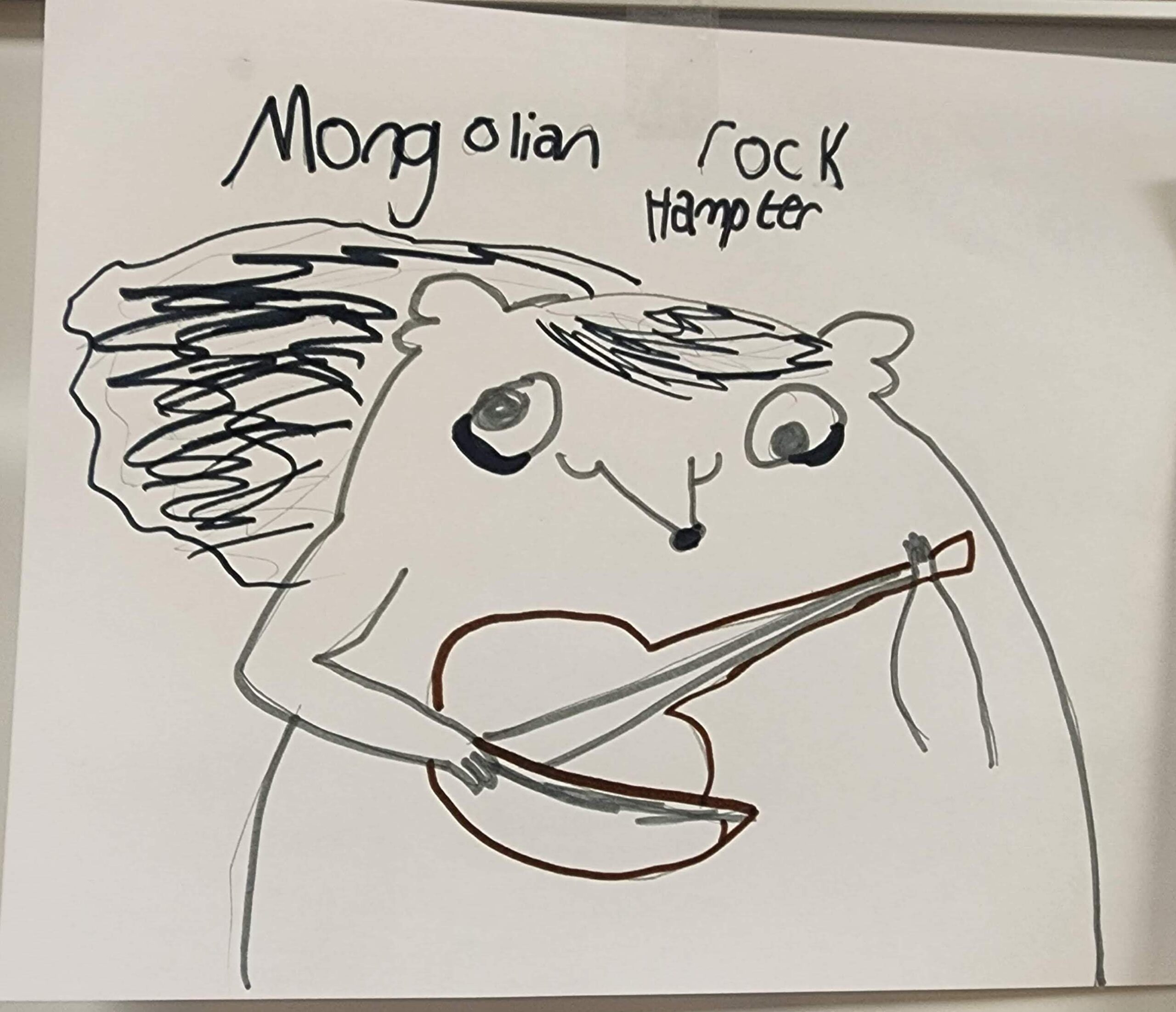
It’s almost like Jen made a fun assignment for students to create their own Hampter for class. But she didn’t have to and making it required would ruin the point of it. This is better than homework because kids are choosing to draw and write about Hampters on their own. Sometimes teachers just need to give students space and be willing to laugh a lot.
The best thing about silly rituals is that they can start at any time of the year. What unique rituals do you have with your students this year?
Be on the lookout for opportunities to create new ones this week and watch how it improves your classroom climate.
Learn with me!
Would you like to explore more deeply the impact of SEL to transform students? Check out our book below for tons of practical ways that can be immediately implemented in any classroom.
Pulse of PBL

The ideal way to improve SEL skills for students is to start with the adults. Districts should provide PD where teachers explore their own SEL strengths and weaknesses, modeling strategies that can be used in the core classroom.
Are you interested in professional development for your school on how to integrate SEL? Of course, I highly recommend PBL as the ideal framework to use. I would love to have a conversation on how I can help. I am now scheduling workshops and book studies for spring and summer. Check out my workshop page or drop me an email at mikejkaechele@gmail.com. I would love to chat and co-plan meaningful PD for the educators at your school.